BNAGRO VERSUS BIPC: ALIA'S GOVERNMENT HAS TWO INSTITUTIONS CHASING THE SAME SHADOW
The celebration of Benue Rice has exposed a deeper contradiction in Governor Alia’s government: the overlapping responsibilities of BNAGRO and BIPC. While BNAGRO was established to drive agro-industrial development, BIPC is already investing in Taraku Mills, brewery, bread production and other ventures within the same economic space. Why then was another institution necessary, and where does the responsibility of one end and the other begin? Beyond the branding of Benue Rice, questions remain about the ownership of BNAGRO Mills Ltd, the processing facility, public investment, production arrangements and the relationship with BIPC. With the state-owned Wadata Rice Mill also undergoing rehabilitation, the government must explain how these investments fit together. Benue needs genuine industrial transformation, not overlapping institutions, competing mandates and political celebrations without measurable economic results.
By Aondoakaa Tersugh Daniel, 15/11/2026
The celebration of Benue Rice by supporters of Governor Hyacinth Alia has reopened a conversation the government would rather avoid. Behind the packaging and the slogans, and behind the habit of presenting every product that carries the name Benue as an industrial revolution, sits a question nobody in government has answered. What is the difference between the Benue Agro Industrial Processing and Economic Transformation Bureau (BNAGRO) and the Benue Investment and Property Company (BIPC)? And why does a government that created a specialised agency for agro industrial development keep running businesses in the same territory through another institution?
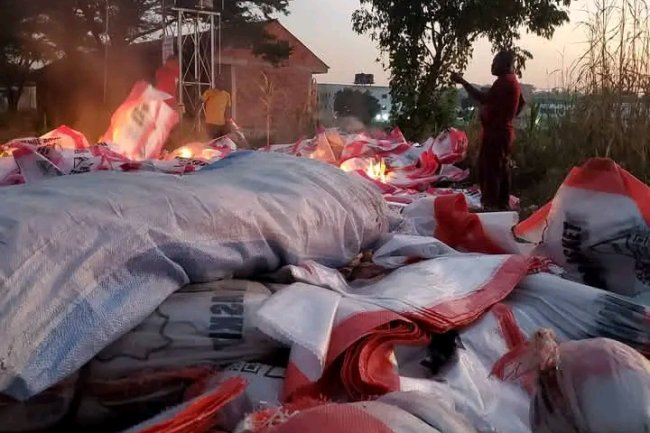
BNAGRO was set up to develop the state's agro industrial sector, link farm production to processing, encourage value addition and reduce Benue's dependence on selling raw produce. That is a worthy objective. But BIPC was already operating in much of this space. Taraku Mills, the brewery and bread production all sit within agricultural value chains, food processing and manufacturing, and even the sack venture serves agricultural packaging. So what was missing in BIPC's mandate that made BNAGRO necessary? Was BIPC unable to drive agro industrial development, or did the government simply create a new structure without defining its relationship with the old one?
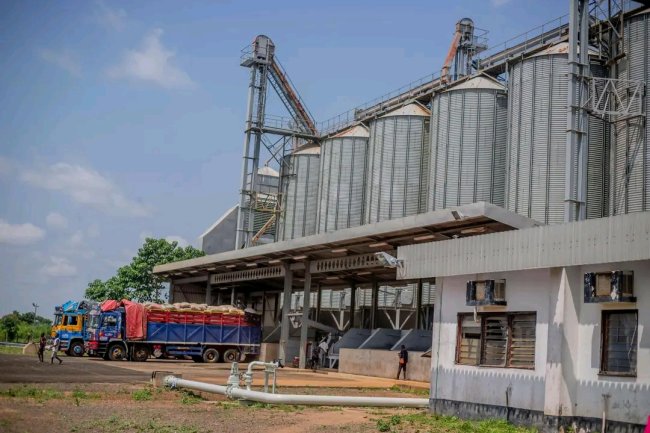
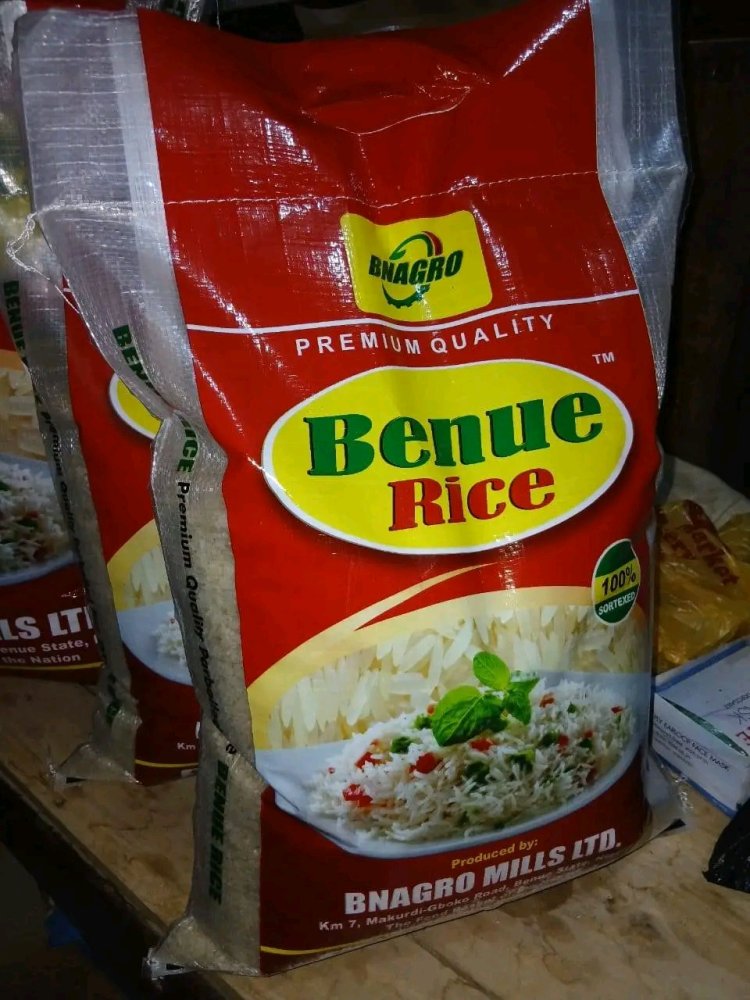
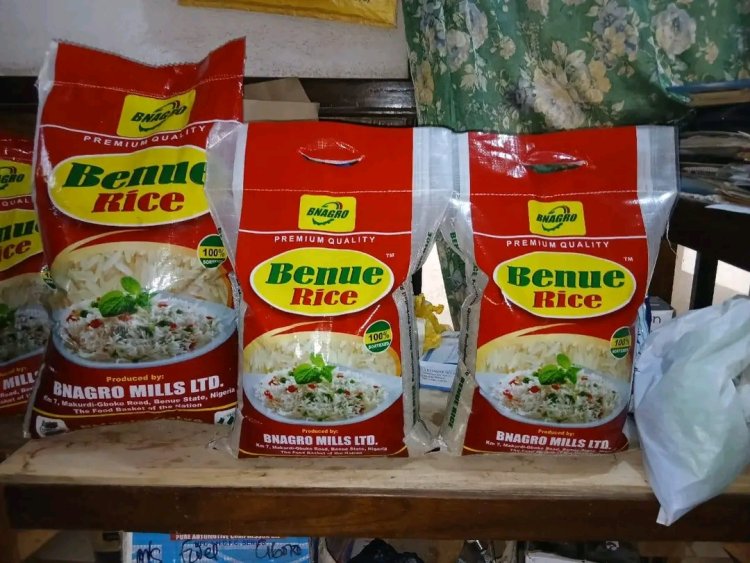
The Benue Rice celebration exposes the contradiction. The bags in the market name BNAGRO MILLS LTD as the producer. The Director General of BNAGRO, Pharm. Peter Chieshe, should tell the public where the rice processing facility is and when it was established. He should also say who owns BNAGRO Mills Ltd, when it was incorporated, and who its directors and shareholders are. Is it a Benue State Government company or a private firm engaged by the government? How much public money has gone into it, and under what contract? If it is a government investment, why is its relationship with BIPC unclear? If it is a private partnership, who is the partner, what is the government contributing and what does Benue gain?
None of this is a rejection of the rice initiative. It is a demand that branding should not replace accountability. The state already owns a rice mill at Wadata, Makurdi, which this administration announced plans to rehabilitate with newly procured equipment. There is also a federal rice processing project being implemented in Makurdi by the Lower Benue River Basin Development Authority. So where is the Benue Rice on the shelf actually processed? Is it Wadata, another government facility, a private plant or a mixture of these? If Wadata has been revived, what is its capacity and has commercial production started? If BNAGRO built a separate facility, why was that preferred to consolidating the existing state asset? These are basic questions of investment planning, not political hostility.
The deeper embarrassment is institutional. BIPC is the state's commercial investment vehicle, with interests in bakery, brewery, water and other manufacturing. BNAGRO exists to drive agro industrial processing and economic transformation. Yet the government has not told us where one ends and the other begins. Is BNAGRO meant to identify opportunities for BIPC to finance and run? Is it supposed to establish its own processing companies? Is BIPC to focus on commercial management while BNAGRO coordinates production and supply? If the two are complementary, where is the framework that shows how they work together? If their mandates overlap, why has the duplication not been addressed? A government that creates two institutions for closely related objectives and leaves the public guessing who is responsible for what has a serious problem of design.
It is fair to ask whether the two are becoming rivals inside the same government. BIPC can point to its brewery, bread and water businesses and ask what BNAGRO was created to add. BNAGRO can point to its mandate and ask why BIPC keeps investing in agricultural processing and manufacturing. Meanwhile the governor presides over both and has given the public no clear framework. This is how bureaucratic congestion is born, and how activity gets mistaken for achievement. As I have argued in my recent commentaries on BIPC, announcing agencies, appointing directors general and producing branded commodities proves nothing unless the government can show how its institutions coordinate, how public money is spent and what returns it earns.
The claim that Benue Rice has taken over the market and is easing life for ordinary citizens is another case of publicity running ahead of evidence. What does a 50 kilogram bag cost compared with competing brands? How many tonnes are produced each month, and how many Benue farmers supply the paddy? At what price do they sell? How many jobs has the operation created, what is the installed capacity and how much of it is in use? Where are the distribution outlets, and what share of the market has the product actually won? A few bags on display in a shop do not amount to market dominance. Printing Benue on a rice bag does not show that farmers earn more or that the state's agricultural economy is transforming. If the government wants credit for affordable rice, it should publish the prices, production figures and market data.
Governor Alia cannot keep celebrating the creation of institutions as if another bureau automatically means development. If BIPC was already positioned for commercial investment in food production and manufacturing, BNAGRO should have come with a clear role that strengthens existing investments instead of duplicating them. If BNAGRO is the specialised agency, the government must explain why BIPC is operating in its space. If BIPC is the commercial vehicle and BNAGRO the coordinator, then publish the arrangement and show how both collaborate. Benue taxpayers are entitled to know whether they are funding two complementary institutions or two structures stepping on each other's toes.
The tragedy is that Benue does not lack agricultural opportunity. It lacks a transparent and coherent system for turning that opportunity into lasting industrial investment. Farmers need reliable markets, processors need dependable raw material, businesses need an enabling environment and consumers need affordable products. What they do not need is a government that turns every new product into a political celebration while ownership, investment, production and institutional responsibility remain unexplained. Benue Rice may well be a worthwhile product, but its packaging cannot answer questions about the factory, and the appointment of a Director General cannot establish the value of a bureau. Before Alia's supporters ask us to applaud another achievement, the government should explain why it needs BNAGRO when BIPC is already doing much of what BNAGRO was created to promote. And if both are doing the same thing, who answers for the duplication of responsibilities and public money?