BEFORE ANOTHER ELDER STAKES HIS REPUTATION ON ALIA
General Gowon and other distinguished elder statesmen have visited Benue and shared platforms with Governor Alia, but their absence from his November 5 campaign council inauguration raises a more uncomfortable question: are they willing to stake their reputations on his second-term ambition? Having allegedly squandered the confidence and goodwill that Late Wantaregh Paul Unongo secured for his emergence through Senator George Akume, Alia may be discovering that not every elder who honours his invitation is prepared to defend his political choices. Before another statesman pleads his case, he should first examine what happened to the last man's recommendation.
By Aondoakaa Tersugh Daniel, 10/11/2026
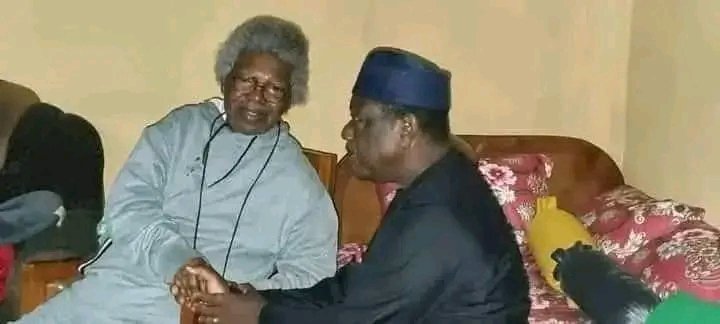
On July 17, 2026, I published a commentary advising any elder statesman who might be persuaded to intervene in Governor Hyacinth Alia's political affairs to first ask what Alia did with the confidence the Late Wantaregh Paul Unongo reposed in him. Unongo personally appealed to Senator George Akume to back Alia's emergence as governor. He did so with the moral authority of a dying elder who believed he was recommending a worthy man. As Alia now prepares for another contest, that warning carries even more weight. Perhaps some people are beginning to understand the message.
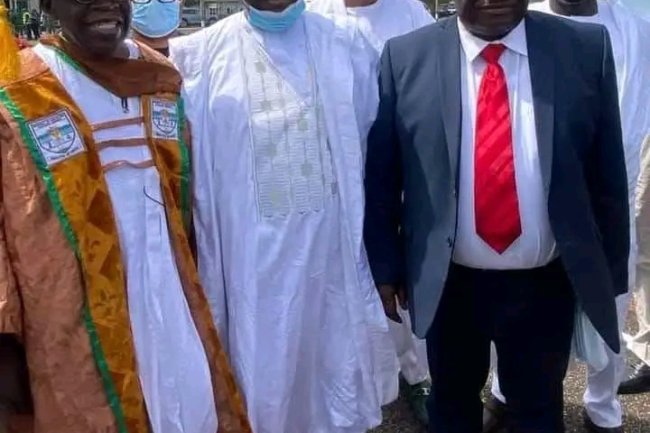
General Yakubu Gowon's presence at the 50th anniversary of Benue State's creation was a significant moment. His place in Nigeria's history and his link to the creation of the state command respect, and General Abdulsalami Abubakar equally holds an important place in national life. But inviting distinguished Nigerians to celebrate a state's history is one thing. Securing their confidence in the ambition of its sitting governor is another. Attending an anniversary is not endorsing a second-term project.
Many observers saw Alia's sudden closeness to these former Heads of State as an attempt to build the kind of elder statesmanship that could prove useful when re-election pressure intensifies. Whether that reading is right or wrong, what followed has raised real questions about how deep these relationships actually run.
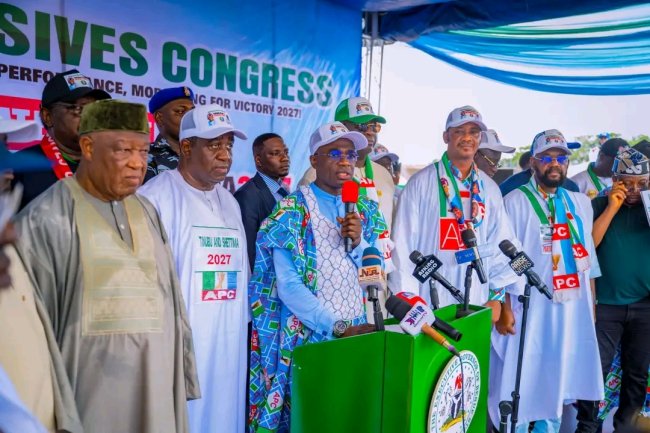
On November 5, Alia inaugurated the Tinubu/Alia 2027 Campaign Council. This was no anniversary or routine government function. It was a political gathering meant to display the strength and reach of his re-election machinery, and an occasion for influential figures to identify publicly with his second term. Yet the absence of nationally prominent elders from outside Benue was conspicuous. Even the National Chairman of the APC was missing.
For a campaign council bearing the names of the President and the Governor of Benue State, the absence of the party's national leader is an uncomfortable fact. Nobody expects every elder to attend every political event. The real question is why a governor trying to demonstrate the strength of his relationships could not secure the visible presence of the national figures whose association would have given the occasion weight. Against the background of the disagreements within the Benue APC, these absences deserve more than casual observation.
All this becomes clearer when we return to 2023. Let nobody rewrite that history. Senator George Akume had the influence, the party structure and the capacity to shape the direction of the APC governorship contest in Benue. The ticket was a hugely valuable instrument in an election where the opposition was badly weakened. Unongo personally appealed to Akume to support Alia, and that appeal carried the full weight of a respected elder's credibility. Akume honoured it.
What followed is a matter of record. Alia's relationship with the establishment that facilitated his emergence deteriorated. The May 3 reconciliation meeting remains an uncomfortable reminder of how far things have travelled, particularly the reported moment when Alia told Akume he had no choice. If a man could allegedly speak that way to someone whose intervention opened the doors of Government House to him, what assurance does any other elder have that his goodwill will be treated differently?
Alia's supporters cannot wish away this contradiction. A governor who came to office through the intervention of respected figures should understand the value of consultation and mutual respect. Instead, the disputes around his administration have left the impression of a governor increasingly isolated from the very sections of the establishment that made him. Now that 2027 approaches, he needs wider acceptance more urgently than ever.
A photograph with former Heads of State cannot replace enduring political confidence. Neither does a campaign council carrying the President's name automatically produce national support. An invitation honoured is not a guarantee. Alia must understand that the goodwill of elder statesmen is not a resource to be borrowed when elections draw near and discarded when their counsel becomes inconvenient.
That brings me back to my warning of July 17. Unongo made his recommendation and placed his personal credibility behind Alia. He is no longer alive to explain his decision or defend the expectations behind it, but his memory deserves respect, and the circumstances of that recommendation deserve serious reflection.
Before another elder from Plateau, Taraba, Lagos, Osun, Bauchi or any other part of Nigeria agrees to plead Alia's case, he should ask what became of the confidence of the elder who made the first appeal. Alia is entitled to seek another term, but no elder is obliged to become his political guarantor. Unongo's recommendation must not become an endlessly renewable instrument. Those who are still alive should learn from those who are gone, and before another elder stakes his reputation on Alia, he should first establish why the last elder's confidence was not enough to secure the respect it deserved.