ALIA'S INSTITUTIONAL GAMBLE: WHEN THE COURTS STOP COOPERATING, WILL INEC ALSO REFUSE TO PLAY ALONG?
The dismissal of a suit seeking to disqualify Chief Michael Kaase Aondoakaa SAN from the 2027 Benue governorship race raises fresh questions about Governor Hyacinth Alia's political calculations and the independence of state institutions. With the Federal High Court refusing to entertain a case filed outside the constitutionally prescribed period, attention now shifts to INEC and its responsibility to ensure that the 2027 governorship election reflects the actual votes cast. Drawing lessons from Benue's controversial 2011 election, the commentary examines the dangers of incumbency influencing electoral outcomes and argues that no governor should mistake political power for ownership of democratic institutions. Ultimately, the people of Benue must determine who receives the governorship mandate in 2027, not political influence or institutional compromise.
By Aondoakaa Tersugh Daniel, 16/11/2026
Governor Hyacinth Alia may be learning a hard lesson rather late. Occupying Government House does not mean owning the institutions of the state, and political authority does not guarantee institutional obedience. From the Catholic Church to the judiciary, the limits of the governor's influence are becoming difficult to ignore. The question now is whether INEC will also discharge its constitutional responsibilities without regard to who occupies Government House.
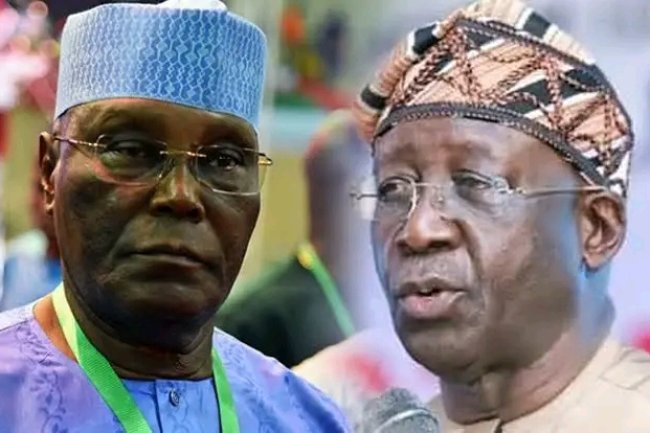
On Monday, November 16, 2026, the Federal High Court in Abuja dismissed the suit seeking to stop Chief Michael Kaase Aondoakaa, SAN, from contesting the 2027 Benue governorship election on the platform of the Peoples Democratic Party. Four individuals relied on an earlier Supreme Court judgment to ask for his disqualification and to restrain INEC and the PDP from recognising his candidacy. Justice Joyce Abdulmalik held that the plaintiffs lacked locus standi, that the action was statute-barred, and that what was presented as enforcement of an earlier judgment was in truth a pre-election matter filed outside the constitutionally prescribed period. The objective of removing Aondoakaa from the race through this suit has failed (Tribune Online, November 16, 2026).
Aondoakaa's supporters have long suspected that some of the legal challenges against him are politically motivated. It has not been established that Governor Alia personally sponsored this suit. Still, the timing and the political atmosphere raise fair questions about the desperation to remove Aondoakaa before the electorate can decide his fate. That strategy has a basic flaw. The courtroom is not an extension of Government House, and judges owe no one a verdict that satisfies political expectations.
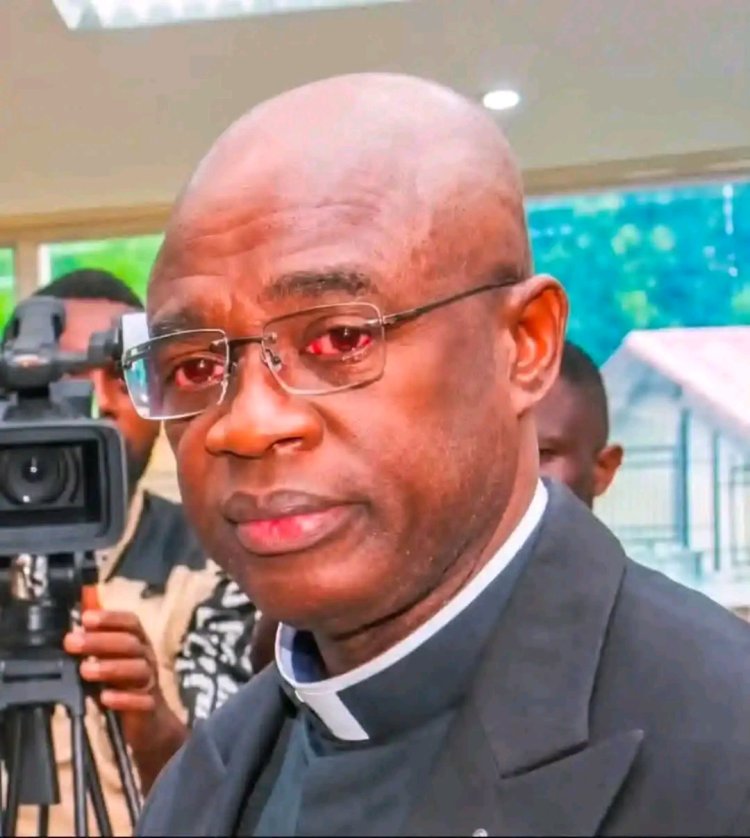
The Church has shown the same independence. The Catholic Diocese of Gboko shut down its institutions in Ihugh, the governor's hometown, after reported attacks on church facilities and concerns for the safety of its personnel. The Church answers to its own responsibilities, just as the judiciary answers to its constitutional mandate. Government House can exercise executive authority, but it does not own the Church, the courts or the electoral commission.
The next institution Benue will watch closely is INEC. The judiciary should not be left to correct injustices that the electoral umpire is primarily responsible for preventing. Benue's electoral history offers a warning. In 2011, the governorship contest between Gabriel Suswam of the PDP and Professor Steve Ugba of the ACN left controversies that endure to this day. Sections of the electorate still maintain that Ugba won, and allegations persisted that Suswam's camp insisted on being declared the winner, leaving the opposition to seek redress in court. Whatever one makes of every detail of that election, the lesson is plain. An incumbent must never mistake the advantage of Government House for an entitlement to victory.
Nobody wants a repeat in which the incumbent is declared winner first and the opposition spends resources, time and energy chasing justice through prolonged litigation. INEC exists to conduct a credible election, count the votes accurately and declare the candidate who actually won the mandate. If the courts insist that legal procedure cannot be sacrificed to political convenience, INEC must show that the votes of Benue people cannot be sacrificed to the influence of an incumbent. The 2027 election should not become a test of how far political power can bend electoral institutions.
For Alia, this is a moment for sober reflection. The Church cannot be compelled to abandon its institutional responsibilities, and the judiciary cannot be instructed to manufacture favourable outcomes. INEC must not become a political instrument for securing an electoral advantage. The machinery of government is not the machinery of democracy. Aondoakaa does not need judicial favours or electoral concessions. He needs a level playing field where his political strength can be tested against his opponents, and a governor confident of his popularity should have no reason to fear that.
Recently, someone asked whether Aondoakaa, as a Senior Advocate of Nigeria, had ever won a major case. The question was misplaced for a man with the professional weight of a former Attorney-General of the Federation and Minister of Justice. Still, the answer has now arrived. His legal team defended his candidacy against an attempt to keep him off the 2027 ballot, and the court dismissed the case. Aondoakaa remains in the race, and that alone is enough to cost Government House some sleep.
Alia's biggest disappointment in 2027 may go beyond losing to Aondoakaa at the polls. It may be discovering that the institutions he expects to accommodate his interests insist on doing the jobs the Constitution assigned to them. The Church has its conscience, the courts have their independence, INEC must have its integrity, and the people of Benue have their votes. None of these belongs to the governor. Aondoakaa wants the mandate, and Alia must be ready to let the people decide who gets it.