BREAD, OYI BITTERS AND ₦2,000: THE IDOMA REPRESENTATION QUESTION UNDER ALIA
Has Governor Hyacinth Alia given up on meaningful political inclusion of the Idoma people? This commentary examines the absence of identified Idoma representation in his latest ten appointments, the diminishing political visibility of Deputy Governor Sam Ode, the controversy surrounding the Office of the First Lady, and the reported distribution of bread, Oyi Bitters, rice and ₦2,000 to Idoma youths. As 2027 approaches, it raises a fundamental question: are the Idoma people receiving meaningful representation, sustainable development and political recognition, or merely occasional material distributions?
By Aondoakaa Tersugh Daniel, 04/11/2026
In 2023, Governor Hyacinth Alia and his Deputy, Dr Sam Ode, won the governorship election on the APC ticket. That victory was sold as more than an electoral arrangement. It was supposed to bring two constituencies into one government. For the Idoma, the emergence of Ode as Deputy Governor raised a simple hope: that they would finally have a real seat at the table in Benue State.
Three years on, I must ask whether that hope has produced anything. Alia has just appointed ten aides, and none of them is identified as Idoma. One list does not prove a pattern of exclusion, and I will not pretend it does. But it does not stand alone, and the other signs deserve to be examined.
Start with the vanishing of Ode. In 2023, the name that went before Benue voters was Alia and Ode. As 2027 draws near, the name being pushed is Tinubu and Alia. I know the argument that this is a presidential and governorship pairing. Still, where is the Deputy Governor in the identity of the government he helped to install? Is he still a political partner, or has he been quietly pushed aside? His constituency is entitled to ask.
The Office of the First Lady tells a similar story. Alia is a Catholic priest and has no wife. The wife of the Deputy Governor, Mrs Christie Ada Sam Ode, would have been the natural choice for the representative duties attached to that office. Instead, the Governor handed the coordination to his Special Adviser on Women Affairs, Hon. Scholastica Terngu Ben Sor. Nobody claims Mrs Sam Ode has a constitutional right to the role. The issue is recognition and political sensitivity. Why was the wife of his Deputy not considered, and did the Alia and Ode partnership count for anything in that decision?
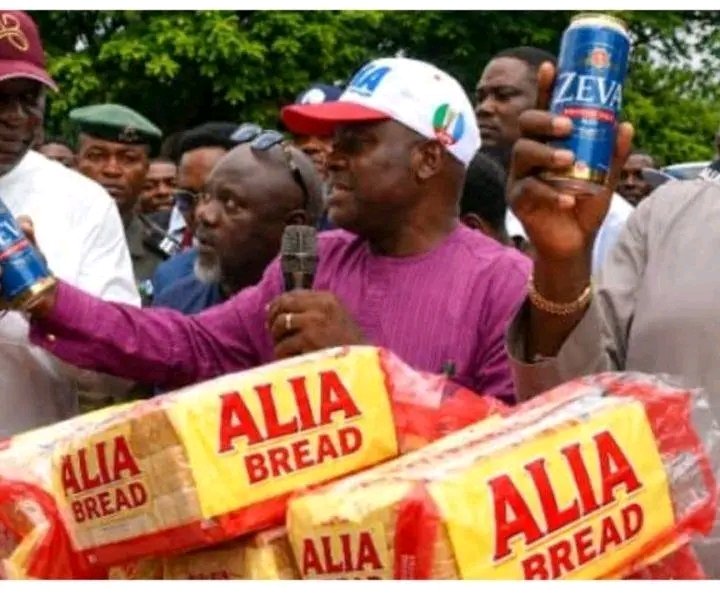
More troubling is how this administration chooses to engage Idoma youths. Bread, Oyi Bitters, rice and ₦2,000 have dominated reports of these encounters. Ode himself explained that bread and Action Bitters were shared in Igumale as a gesture of appreciation. There are also reports of rice and ₦2,000 handouts to youths, with allegations that recipients were warned not to allow opposition voices to speak in Idoma land. If this is the face of the administration's relationship with the Idoma, where are the jobs, roads, schools, hospitals, business support and appointments that should come with it? Handouts offer a day of relief. They are not a development agenda.
The office of Deputy Governor should carry weight. It should shape appointments, policies and decisions. So the Idoma are entitled to ask how many of their qualified sons and daughters have been considered for consequential positions, what the administration has built in Idoma communities, and how much room Idoma stakeholders have in government. This is not ethnic agitation. It is a demand for fair representation in a government that all of Benue elected.
Alia needs to understand that partnerships survive on respect, consultation and shared responsibility. People who helped win an election cannot be treated as important only during campaigns. If the Alia and Ode partnership mattered enough to win in 2023, the Governor should show, with verifiable evidence, how it has produced inclusive government.
As 2027 approaches, slogans will not answer this question. Nobody is saying citizens should reject help from any quarter. The real issue is whether these gestures come with inclusion, lasting development and respect for the partnership that made this government possible. Is Ode still a genuine partner? Does his constituency have a real voice in government, or does it appear only at distributions and political gatherings? Alia, his Deputy and the entire administration owe the Idoma answers. In the end, the Idoma will judge their place in this government by what was done for their communities, and not by what was handed out to their youths.