HAS REV. IKYAAN SERVED HIS POLITICAL USEFULNESS TO ALIA?
Has Rev. Dr. Frederick Ikyaan served his political usefulness in the Alia administration? This commentary examines his perceived role as a bridge between Governor Hyacinth Alia and the influential NKST constituency, against the backdrop of Alia's complicated relationship with the Catholic Church and the recent EFCC allegations involving senior government officials. It questions whether Ikyaan is gradually becoming a dispensable political asset and challenges the NKST establishment to maintain its institutional independence rather than allow its relationship with government to depend on the fortunes of individual political appointees.
By Aondoakaa Tersugh Daniel, 02/11/2026
There is another side to the unfolding embarrassment around Rev. Dr. Frederick Ikyaan and the alleged EFCC investigation of senior Benue State Government officials. Beyond the allegations of financial impropriety, I cannot help wondering whether Ikyaan has served his political usefulness in the Alia administration and is quietly being prepared for an exit. Is the Governor beginning to dispense with a political asset whose value has diminished?
To understand the question, we must look at Governor Hyacinth Alia's relationship with the Catholic Church. Before politics, he was a Catholic priest. In May 2022, the Catholic Diocese of Gboko suspended him from sacred ministry after he decided to contest the governorship. More recently, the Diocese ordered the temporary closure of its institutions in Ihugh, his hometown, after repeated attacks on church facilities and persistent insecurity. The Diocese attributed the decision to security concerns, but the political optics are hard to ignore. A Governor with a Catholic background now presides over a state where his relationship with that establishment is a subject of public conversation.
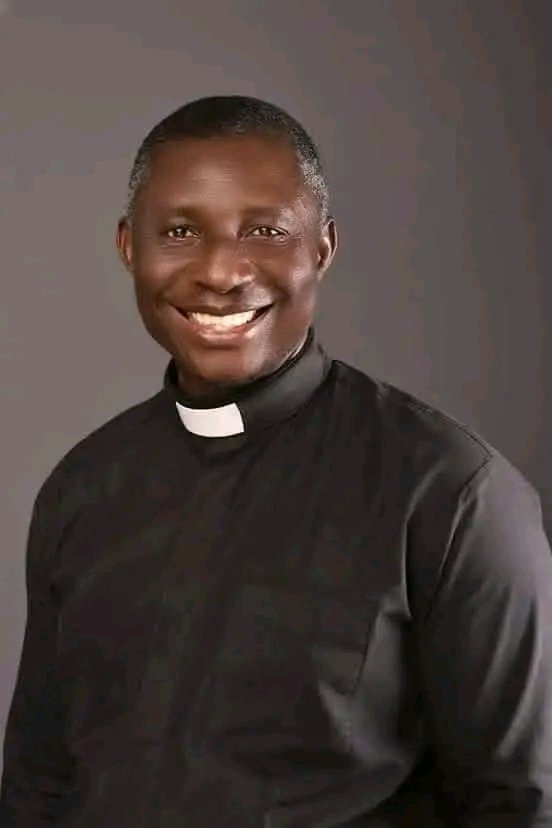
Alia's calculations, however, cannot stop at the Catholic Church. Benue has a large Christian population, and the NKST Church holds an important place in its religious and social life. This is where Ikyaan becomes relevant. He is not merely a commissioner. He is a respected NKST pastor with real standing in the Christian community, and that standing offered Alia a bridge to a constituency beyond his own Catholic background.
There were even whispers in political circles that Ikyaan was performing the unofficial role of a Special Adviser to the Governor on NKST affairs. Whether or not that arrangement existed, a respected NKST cleric inside the cabinet carried obvious political weight. He was a point of contact between the administration and a constituency whose influence reaches well beyond the pulpit into community relations and public life.
So the question is fair. Was Ikyaan's value limited to his ministerial duties, or was his place in the NKST family part of the calculation? If it was, his present predicament deserves a closer look. Political relationships often survive on mutual usefulness. A man may enjoy access and influence while he is needed, then find his relevance questioned once the calculations change. Is that what we are witnessing?
The EFCC allegations have added another layer. Ikyaan's name has been mentioned in connection with allegations of financial impropriety involving senior officials of the administration. These remain allegations, and the public deserves clarification rather than trial by political insinuation. Even so, set against his apparently shrinking influence in government, it is difficult to dismiss the possibility that his relationship with the Governor is changing. Has he become a liability where he was once an asset? Is the man who helped connect Alia to an important Christian constituency now becoming expendable?
There is also a message for the NKST establishment. The Church must keep an independent institutional relationship with government, whatever happens to individual members who hold public office. Its standing must not depend on how useful one pastor remains to a sitting Governor. If things sour between Ikyaan and the administration, the relationship between NKST and the Benue State Government must not sour with it. Religious institutions must never become instruments of political convenience, and public officeholders must never be treated as disposable bridges to religious constituencies.
In the end, the real question is not whether Alia intends to remove Rev. Ikyaan from his cabinet. It is whether the calculations that once made Ikyaan valuable have changed. Has the NKST connection lost its importance to the Governor's politics? Or is the commissioner simply feeling the strain of a troubled relationship inside the administration? Until the Governor or Ikyaan offers clarity, these questions will remain legitimate matters of public discussion. One thing is certain: the link between religious influence and political convenience in Benue deserves much closer scrutiny.