ALIA: THE BAD POLITICAL OMEN BENUE CANNOT AFFORD
Alia's prolonged disagreement with the APC leadership may be costing Benue valuable opportunities for presidential intervention. While Tinubu approved the Ibom Deep Sea Port during his campaign visit to Akwa Ibom, Benue will miss the opportunity to present fresh demands directly to the President. From the unresolved presidential engagement on insecurity to the absence of a presidential campaign visit, Alia's political recalcitrance raises serious questions about his ability to protect Benue's interests. Why should Benue endure another four years of a governor whose political battles risk becoming the state's development losses?
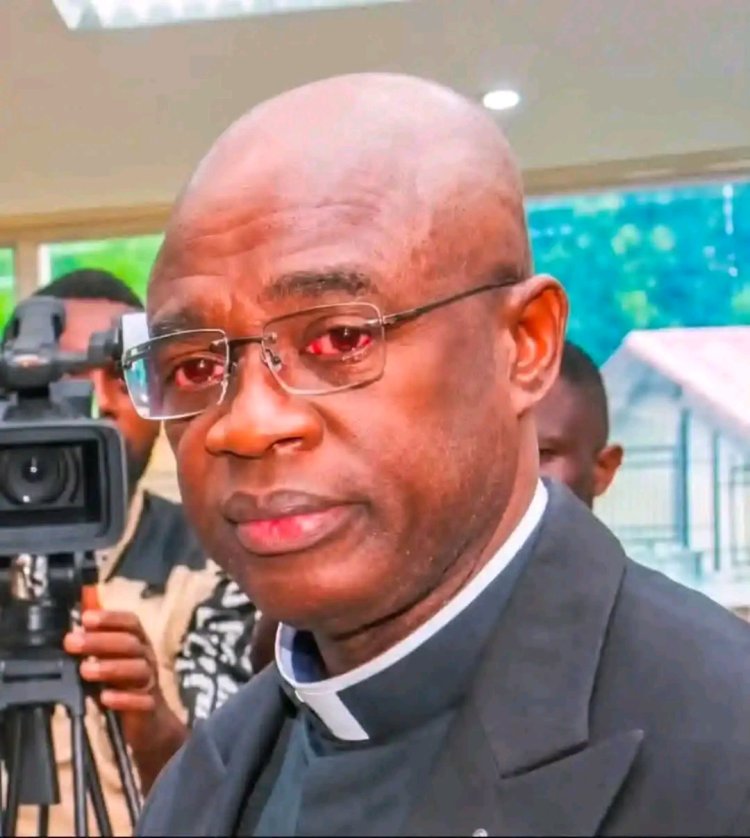
By Aondoakaa Tersugh Daniel, 07/11/2026
Yesterday in Uyo, President Bola Ahmed Tinubu approved the long awaited Ibom Deep Sea Port at his campaign rally in Akwa Ibom State. Governor Umo Eno understood what a presidential rally is worth and used it to place his state's needs directly before the President. A rally is more than speeches, endorsements and votes. It is a rare chance for a governor to make demands in public and leave with commitments. Benue will not have that chance, because the state is not on the list of states the President is scheduled to visit.
In January 2023, Tinubu stood in Makurdi and said he would be our partner in building "this life defining infrastructure so essential to creating the nation of our dreams." Today, the Wurukum flyover and the Buruku Bridge, still under construction, are the interventions Benue can point to. They deserve acknowledgement. But we must ask what more the state could have secured if the President came again and heard fresh demands from its leadership. Federal roads need urgent attention, projects are waiting for intervention, and Benue's agricultural and industrial potential still lacks presidential backing.
The lost opportunities go beyond infrastructure. Tinubu had earlier opened a door for Benue to seek a presidential solution to its insecurity when he invited a committee to meet him. A governor whose state has endured years of killings and displacement should have treated that invitation as urgent. So what became of that committee? Did the meeting happen? What commitments came out of it? The public has not been given a convincing account, and a chance that should have meant real security intervention appears to have faded quietly.
Now another chance is slipping away. While other states receive the President and negotiate fresh commitments, Benue will watch from the sidelines. Its security crisis alone justifies sustained federal attention, and our people deserve to hear from the President what more his administration intends to do for them. A governor who understands the value of political access would never sacrifice it to internal party quarrels.
That is why it is hard to separate this moment from the crisis Alia keeps alive within the Benue APC. His recalcitrance toward the party's established leadership has turned a platform that should be united into a contest of competing interests. He behaves as though control of the party structure matters more than the fortunes of the state. I cannot say his conduct shaped the President's itinerary, because that is not established. But the isolation of a governor who should be strengthening Benue's ties with the Presidency deserves serious examination.
There is an irony here. Alia needs Tinubu and the APC establishment for his own reelection, yet his handling of the party crisis weakens the unity that partnership requires. He may now campaign in Benue without a presidential visit or an endorsement from the podium, just when his opponents expected him to show how close he is to the President. He may see his quarrel with the APC leadership as a personal contest. The cost, however, falls on all of us.
This is why Alia increasingly looks like a bad political omen for Benue. A governor should be an asset to his state and not a liability whose decisions keep putting its interests at risk. His job is to build bridges, negotiate opportunities and turn political relationships into benefits for the people. He does not have to surrender his convictions to do that. He needs only the maturity to see that the governorship is not a tool for settling scores. Benue has already lost too much to insecurity and underdevelopment to start losing federal opportunities because its governor cannot manage disagreements in his own party.
The 2027 election gives Benue a chance to weigh the cost of Alia's leadership. We need a governor who values presidential access, works with leaders across different interests and knows when to put the state ahead of personal ambition. Benue does not need a governor who wins arguments in his party while the state loses ground at the federal level. If Alia cannot manage his political relationships without disadvantaging Benue, the people must reject his continued leadership in 2027. Benue's future is too important to remain hostage to his recalcitrance.