THE WORLD CUP IS OVER, WHERE IS BIPC'S ZEVA PERFORMANCE REPORT?
BIPC faces growing questions over Zeva's promised FIFA World Cup advertisement, its undisclosed contract manufacturer, product formulation and consumer complaints about headaches. The concerns call for transparency and independent quality assessments, not assumptions about manufacturing defects. Meanwhile, Golden Soya Oil's market-entry deadline has shifted from November 9 to December 5, raising questions about delays at Taraku Mills. Benue people deserve clear explanations, verifiable results and accountability for public investments.
By Aondoakaa Tersugh Daniel, 07/11/2026
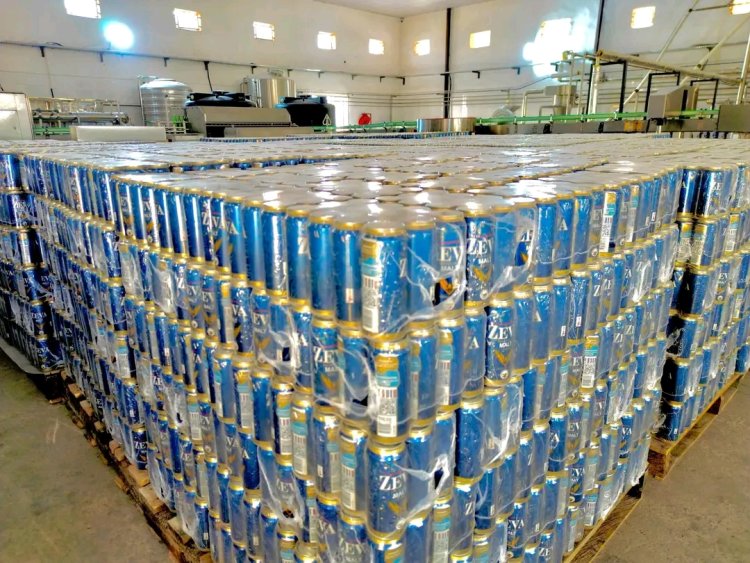
How much did BIPC spend advertising Zeva Premium Lager Beer during the 2026 FIFA World Cup, and how much revenue did the campaign bring in? Who was brewing Zeva under contract before Food Basket Brewery began commercial production, and why has BIPC kept that name from the public? Benue people are entitled to these answers, more so now that the Managing Director, Dr Raymond Asemakaha, has announced November 25 as the date for full commercial sales of Zeva.
On May 31, 2026, Dr Asemakaha publicly assured Nigerians that on June 10 they would see the Zeva advertisement at the World Cup. That was a big promise for a brewery owned by a state government. The tournament is over. Did the advert run at all? Which network or platform carried it, and was it in stadiums, on television or online? What did BIPC pay, and what did it earn from it? If the advert ran, BIPC should publish the evidence with pride. If it did not, Benue people should be told what happened to the promise.
The second question concerns the production history and formulation of Zeva. BIPC previously disclosed that the beer was being produced through a contract manufacturing arrangement pending the readiness of Food Basket Brewery. However, the identity of the contract manufacturer has not been clearly established in the public information available to consumers. Which company handled the production, and what were the terms of that arrangement? Some consumers have also reported experiencing headaches after consuming Zeva, complaints that warrant attention from the company. These experiences do not, on their own, establish a product defect or manufacturing problem, but they deserve a responsible response. Did Food Basket Brewery independently develop the formulation for Zeva, or was the formulation provided by the contract manufacturer? Who owns the formulation, and what quality assurance procedures were followed during the contract production period? BIPC should provide clarity on the product's manufacturing history, formulation, applicable regulatory approvals and independent quality assessment. Consumers have a legitimate interest in knowing who manufactures the products they purchase and the standards those products are expected to meet.
The November 25 announcement raises the stakes. Benue people are being asked to see Zeva as their own and to buy it as a show of support for local industry. That is a fair appeal. But local ownership comes with an obligation to be open about how a product is made, how good it is and how the business is run. BIPC should name the previous manufacturer, explain the production arrangement, show the regulatory approvals and publish the independent test results for both the contract batches and the current ones. A company owned by the state cannot ask citizens to give up their right to information just because the label says Benue.
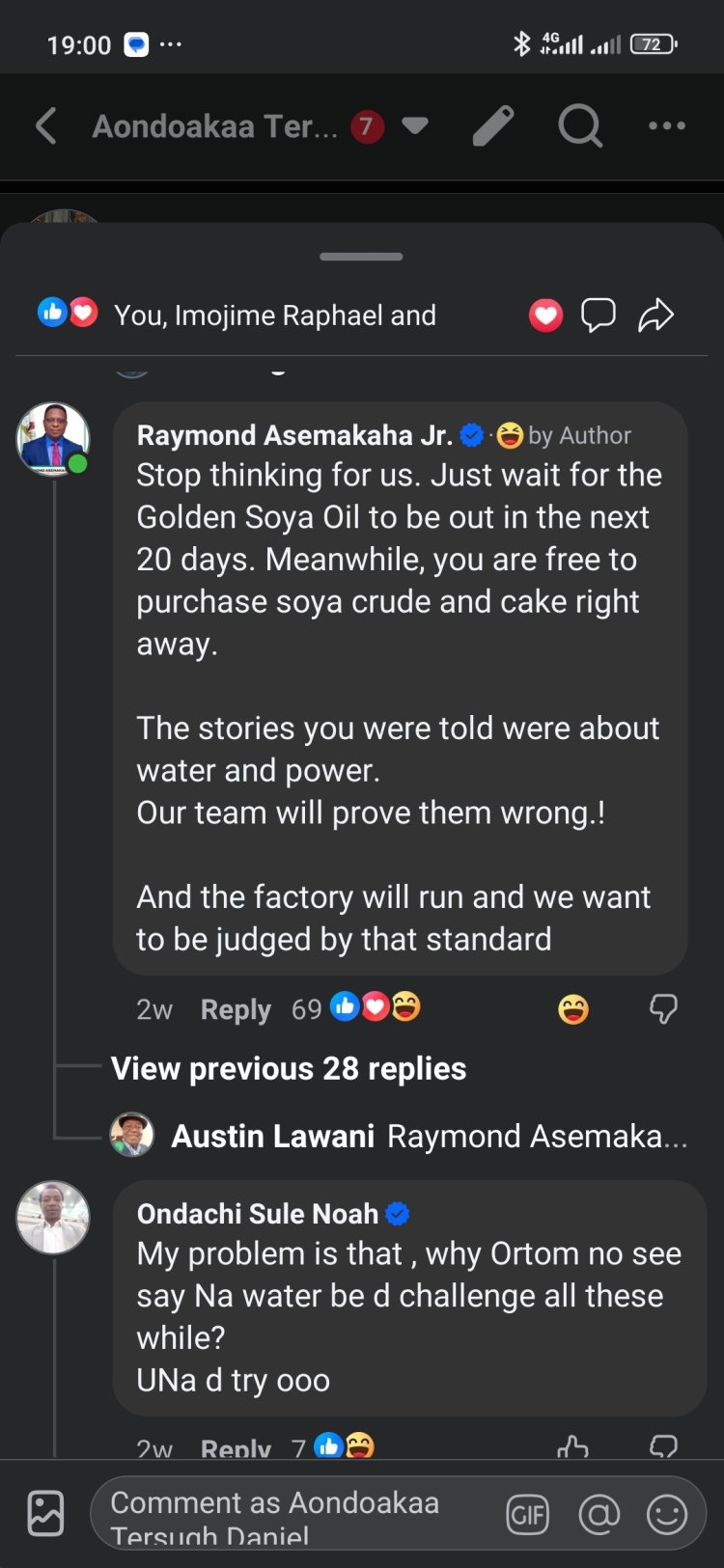
Golden Soya Oil from Taraku Mills tells a similar story. Dr Asemakaha reportedly gave a 20 day ultimatum for the product to reach the market, which expires on November 9. The new word is December 5. What changed? Was it electricity, water, machinery, refining, packaging, regulatory approval or something else? Public resources have gone into that facility, so the people are entitled to know what is holding it back. If the problems are real, BIPC should state them and say how they are being fixed. And if December 5 is only another projection, who can guarantee it will not be replaced by a fresh date?
Sadly, this is a pattern under the Alia administration. Governor Hyacinth Alia promised to resettle displaced persons in their ancestral homes within his first 100 days. Families who longed to go home held on to that promise. The IDP crisis is still with us, and the number of displaced persons keeps growing. Now at BIPC we have a World Cup advert that has no verifiable account, and a product deadline that has moved. How many announcements must Benue people sit through before they see results? How many new dates must they accept before someone takes responsibility for the old ones?
BIPC is not a private firm operating beyond public scrutiny. It manages assets that belong to the people of Benue, so its performance must be judged by more than press conferences, launch events, photographs and ambitious targets. How much revenue has Food Basket Brewery made since Zeva was introduced? How many bottles or crates have been sold? What was spent on the World Cup campaign, and what did it return? How many people work at the brewery, and what capacity is it actually achieving? At Taraku Mills, how much soybean has been processed, how much oil has been produced, and when will sales truly begin? These are basic performance questions, and nobody can call them unreasonable.
Dr Asemakaha owes Benue people plain answers. They need to know who brewed Zeva, what formulation was used, what became of the promised World Cup advert, what it cost and what it earned. They also need to know why Golden Soya Oil keeps moving from one deadline to the next. BIPC cannot keep announcing what it intends to do without accounting for what it has done.
Benue people want to support businesses built in their state. They want the brewery to succeed. They want Taraku Mills to run, create jobs, buy farm produce and strengthen the economy. But patriotism must never become an excuse for hiding information. A company funded by the people must answer to the people. BIPC owes Benue people more than announcements. It owes them answers, verifiable results and measurable returns on public investment.