IS REV. IKYAAN THE NEXT PROF. ALAKALI? THE PRICE OF BEING UNEQUALLY YOKED WITH ALIA
This commentary examines the alleged EFCC investigation involving Rev. Dr. Frederick Ikyaan and other senior Benue State officials, drawing parallels with the circumstances surrounding the resignation of former SSG, Prof. Joseph Alakali. It questions whether Governor Hyacinth Alia is preparing to subject Ikyaan to a similar experience, highlighting alleged instances of administrative interference, diminishing the commissioner's authority, and public humiliation. The piece also revisits the biblical warning against being unequally yoked, arguing that Ikyaan's predicament raises questions about the consequences of serving under leadership whose conduct contradicts the principles of the Christian faith.

By Aondoakaa Tersugh Daniel, 02/11/2026
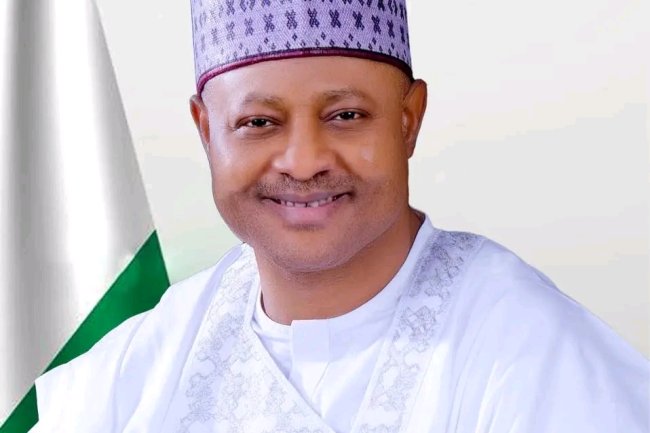
It is now 24 hours since Asom D. Jerry alleged that Rev. Dr. Frederick Ikyaan, Honourable Commissioner for Land, Survey and Solid Minerals, alongside other government officials, had been indicted by Governor Hyacinth Iormem Alia and detained by the EFCC for questioning over an alleged N200 billion fraud. Yet, none of the officials mentioned has issued a statement refuting the claims or clarifying that they were neither indicted by Alia nor detained by the EFCC as alleged. I am particularly concerned about Rev. Ikyaan. Is Alia about to do to him what he did to Prof. Joseph Alakali?
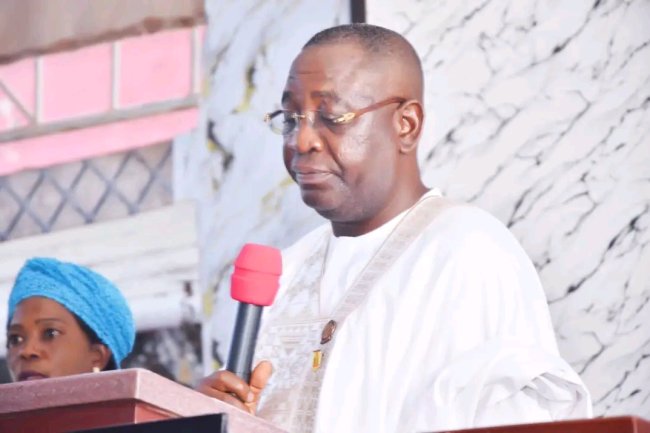
Prof. Alakali was the first Secretary to the State Government (SSG) under the Alia administration. He was a man of tested and proven integrity. A born-again believer serving under an apostate priest, many had viewed his appointment as a case of being unequally yoked with an unbeliever, as the Scriptures warn, and were apprehensive about what might become of him. It was not long before Alakali came under intense pressure to resign. The pressure was similar to what was mounted on Rt. Hon. Aondona Dajoh, where the most honourable thing to do was to resign rather than wait to be humiliated out of office, although both options were humiliating. Prof. Alakali served Alia under difficult conditions, with his rights as a human being trampled upon. He was not provided with an official vehicle, not to mention a government residence. Yet, after his resignation, Alia stood before the public and declared Alakali a terrible THIEF. No investigative panel had indicted the professor. It was simply a case of a man who appeared to have lost his conscience deciding that another man was a thief.
The Alakali experience appears to be playing out again with Rev. Ikyaan. A man whose integrity was never in doubt before now accepted to be unequally yoked with this backslider, who was reportedly thrown out of the Church. The Church had done to Alia precisely what Apostle Paul instructed: "But them that are without God judgeth. Therefore put away from among yourselves that wicked person" (1 Corinthians 5:13, KJV). Another Scripture reinforces this instruction in these words: "Now we command you, brethren, in the name of our Lord Jesus Christ, that ye withdraw yourselves from every brother that walketh disorderly, and not after the tradition which he received of us" (2 Thessalonians 3:6, KJV).
Rev. Ikyaan's travails began when he was Commissioner for Education and Knowledge Management. Alia had gone ahead to remove a department from the ministry and transform it into a bureau, thereby empowering its Director-General to disregard the authority of Rev. Ikyaan on several occasions. The resulting crisis in the education sector escalated to the point where the State House of Assembly had to intervene. But rather than call his boy, the Director-General, to order, Alia chose to reshuffle Ikyaan out of the ministry.
Now, in the Ministry of Lands, Ikyaan appears to have found himself in the same predicament. Alia has again removed a department and converted it into a bureau, effectively empowering the Executive Secretary above the Commissioner. There were national meetings that the Commissioner was expected to attend on behalf of his ministry. However, information about such meetings was reportedly withheld from Ikyaan and channelled to the Executive Secretary, who attended alongside commissioners from other states. How does that happen?
One would not want to go into the other humiliating experiences Ikyaan has reportedly been quietly enduring under Alia. However, it increasingly appears that, just as Alia allegedly pushed Alakali out of office before publicly branding him a thief, he may be preparing the grounds for a similar outcome for Rev. Ikyaan. Alia has reportedly labelled him a thief in government circles by linking him to the EFCC investigation. What remains is for Alia to stand before the public and openly call Rev. Ikyaan a thief, just as he did to Prof. Alakali.
I have no particular sympathy for the political predicament in which Rev. Ikyaan may now find himself. He is not a political novice who was dragged into government against his will. He accepted the appointment, witnessed the administrative arrangements that diminished his authority, endured the humiliations and still chose to remain. Perhaps he believed that patience would eventually earn him the governor's respect. But Alakali's experience should have been sufficient warning. If a professor of established reputation could serve under this administration, be pushed out and subsequently branded a thief by the governor, what makes Ikyaan believe that his own experience must necessarily be different? The current allegations, if left without proper clarification, could become another instrument of political embarrassment.
Governor Alia must understand that the responsibility for the administration of Benue State cannot be transferred conveniently to commissioners and permanent secretaries whenever questions of accountability arise. The governor exercises executive authority over the government. He cannot monopolise political power, determine the administrative structures of ministries, appoint and supervise officials, and then pretend that accountability belongs exclusively to those officials when financial controversies emerge. If Rev. Ikyaan and other officials have questions to answer before the EFCC, they should answer them. But the governor must equally account for the financial decisions and administrative processes of his government. No appointee should become a convenient scapegoat for a system whose ultimate executive responsibility rests with the governor.
The question therefore remains: Is Rev. Dr. Frederick Ikyaan the next Prof. Joseph Alakali? Having allegedly undermined his authority in two different ministries, is Alia now preparing the grounds to publicly discredit another Christian appointee after pushing him out? Alakali was called a terrible THIEF after leaving office. Will Ikyaan receive the same label when his own political journey under Alia eventually comes to an end? Perhaps the Reverend should revisit the biblical warning against being unequally yoked. Sometimes, the greatest humiliation is not what happens after leaving an association but the failure to recognise the danger while one still has the opportunity to walk away.