THE CHURCH IS NO LONGER SAFE IN ALIA'S HOMETOWN
The closure of Catholic institutions in Ihugh and the reported burning of church materials at Tsua-Mbagbera raise serious questions about security in Governor Hyacinth Alia's hometown. As fears grow that more parishes may suspend activities, who is protecting religious institutions in Vandeikya? A governor's religious appearances cannot substitute for the fundamental responsibility of keeping churches, worshippers and communities safe.
By Aondoakaa Tersugh Daniel, 13/11/2026
When a church is forced to pull out its personnel and suspend activities because of repeated attacks, we are no longer dealing with an ordinary security incident. We are looking at an indictment of a government that cannot protect lives, property and the freedom of worship. That is what is now unfolding in Vandeikya, the hometown of Governor Hyacinth Alia.
The Catholic Diocese of Gboko did not close its institutions in Ihugh lightly. These are not abandoned buildings. They serve communities through education, healthcare, worship and other social services, and it is ordinary people, especially children and families, who suffer when they shut their doors. The concerns have persisted, and there are now fears that more parishes may have to reconsider staying in the area. An extraordinary government response was needed long ago.
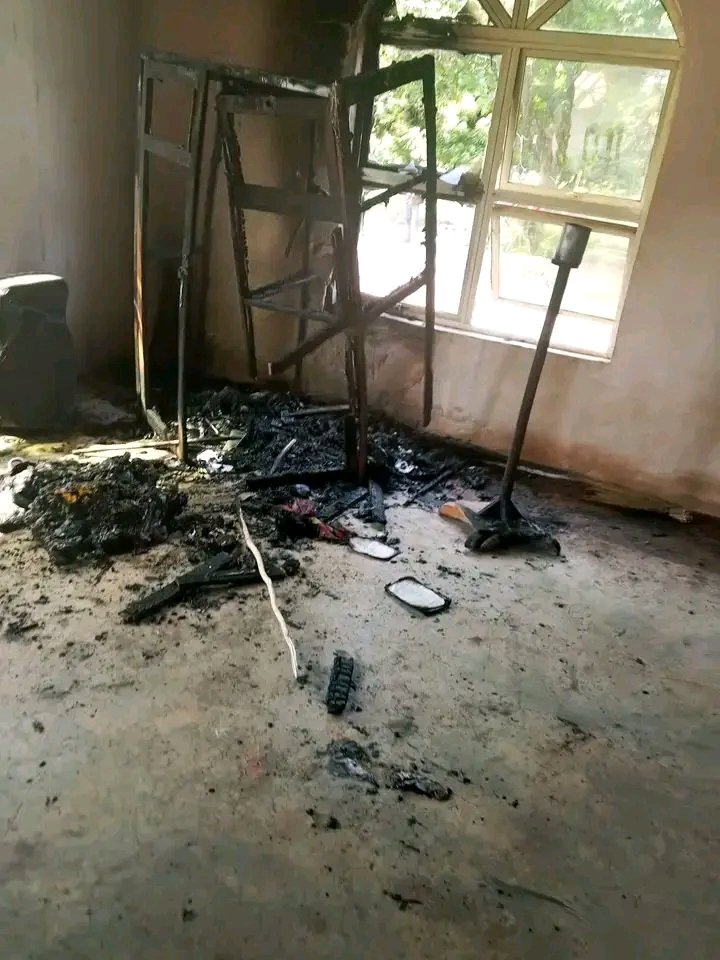
Then came the report from St. John's Catholic Church, Tsua-Mbagbera. Vestments, altar cloths, documents, a public address system and a statue of the Blessed Virgin Mary were reportedly found burnt. No one has been identified, and investigations are said to be ongoing. But why should a Catholic community in the governor's own local government area be facing this? Is government waiting for the churches to be completely deserted before it acts with the urgency the situation demands?
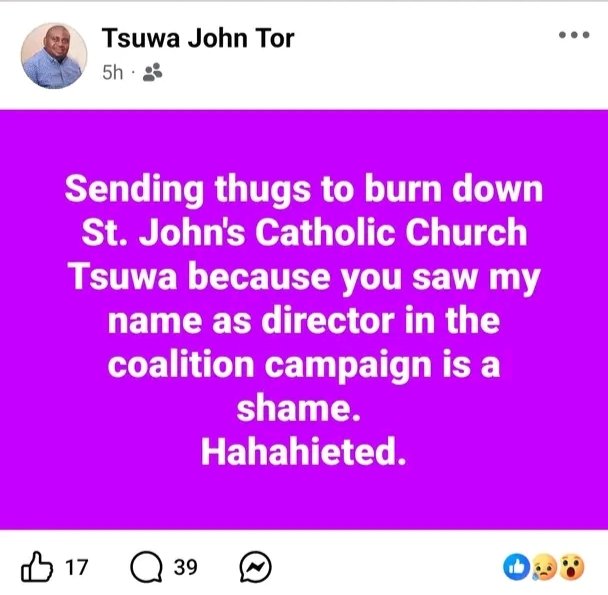
The allegation by Dr John Tsuwa is even more troubling. He claims political thugs were sent to burn the church because his name appeared on the Benue Strategic Alliance campaign council list. The alliance has publicly distanced itself from the Alia re-election campaign council, which gives an already grave situation a political edge. Whatever our political differences, no disagreement can justify a threat to a place of worship.
Governor Alia must be reminded that governance does not end with attending thanksgiving services, receiving prayers or appearing at religious gatherings. His relationship with the Church should be measured not by the pulpits he visits but by whether worshippers can gather safely in their churches. It is hard to speak of religious fellowship while Catholic communities in his own hometown wonder whether their institutions can stay open without endangering their people.
This also raises a question about the quality of advice reaching the governor. Who is briefing him on the fears of the Diocese? Who is engaging Church leadership to understand why these attacks keep happening? Who is coordinating a credible response among the police, traditional institutions, community leaders and religious authorities? There seems to be no shortage of people who attend religious functions on the government's behalf, yet there is no visible mechanism for addressing threats to religious institutions.
Benue people deserve answers, not another round of political explanations. Government must ensure a transparent investigation into the Tsua-Mbagbera incident, establish the circumstances behind the attacks in Ihugh, and give credible security guarantees to the affected communities.
If more Catholic institutions close because their safety cannot be guaranteed, the consequences will reach far beyond the Church. It will be another painful reminder that the people of Benue are paying the price for a security crisis that demands more than ceremonial leadership.