ALIA IN USHONGO, SILENCE IN IHUGH: A QUESTION OF GOVERNMENT PRIORITIES
Governor Hyacinth Alia’s declaration that every Benue citizen deserves a seat at the table raises questions about political inclusion, the sidelining of former allies such as Chief Engr. Barnabas Gemade, and the rise of new favourites. Meanwhile, the reported difficulties facing Catholic institutions in Ihugh and the unanswered questions surrounding the rebuilding of an attacked Catholic school contrast with the governor’s recent donation pledge in Ushongo. As 2027 approaches, Benue people must look beyond political rhetoric and assess the consistency, priorities and tangible results of Alia’s administration.
By Aondoakaa Tersugh Daniel, 26/10/2026
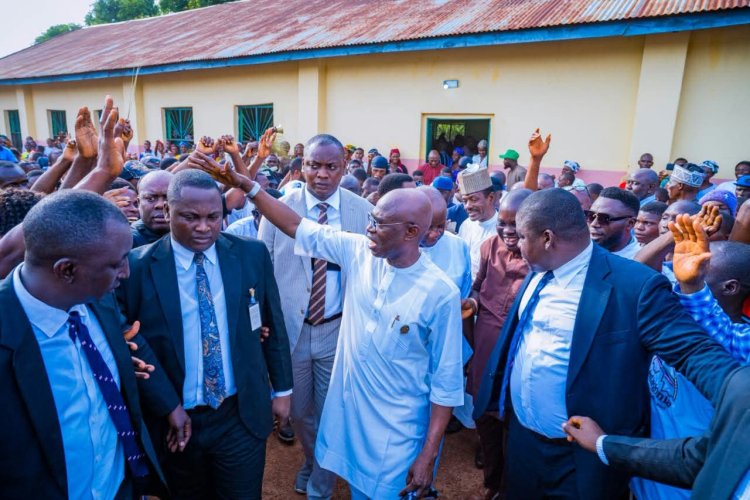
Governor Hyacinth Alia has given Benue people a curious explanation for how he governs. Speaking at Ushongo during the thanksgiving and reception for Professor Gabriel Ngbea, he declared: “One MUST not be from a wealthy, influential and powerful family to get a chance to contribute to the development of the state. I am deliberate about this and I shall continue.” The words sound good. But they force a question on us: is the governor really opening the doors of governance to ordinary people, or has he found a convenient slogan to justify pushing aside the political figures who helped bring him to power?
Nobody should object to ordinary citizens getting a chance to serve. Government must never become the private property of wealthy families and political dynasties. But inclusion has to be proven through competence, fairness, accountability and results that people can feel. It cannot be an excuse for rewarding a new circle of favourites while sidelining the established figures who contributed to the governor's rise.
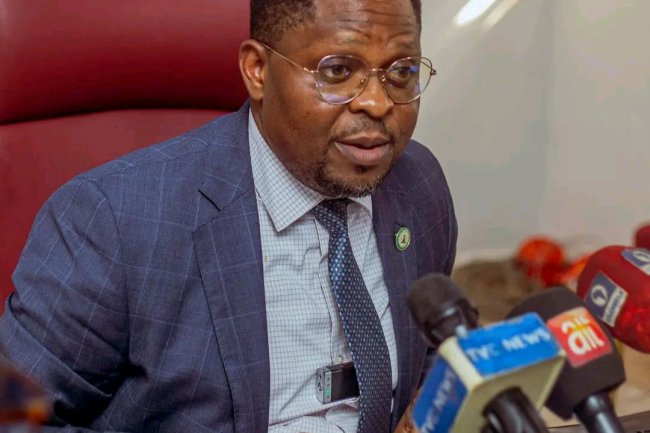
That is why the declaration deserves a closer look. What explains the sudden prominence of Ternenge Moses and Livinus Tsar in this administration, while some formerly influential figures appear to be fading? Where does Chief Engr. Barnabas Gemade now stand in the governor's political arrangement? His shrinking visibility says a lot about how Alia treats those who walked with him, and about what has become of old allies in his evolving power structure.
There is nothing wrong with new people rising. The problem starts when inclusion becomes selective and access to influence depends on the governor's personal preferences. If Alia is only replacing one circle of powerful people with another, then the names have changed while the politics of exclusion remains. A government cannot claim to dismantle privileged access while building a fresh hierarchy of favourites.
I also want to know what the governor means by bringing every Benue person to the table. Is it a platform for competent citizens to contribute to development, or a channel for sharing out political patronage? Real inclusion is shown by building functional institutions, creating opportunities and delivering services to citizens whether or not they have political connections.
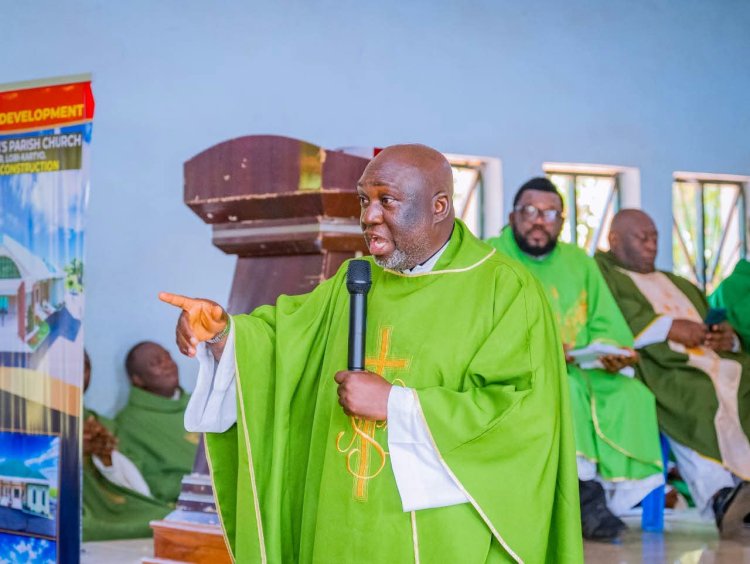
The matter of priorities is equally troubling. The Catholic Church in Ihugh, the governor's own hometown, has reportedly suspended activities at its institutions, including the parish, because of serious difficulties. That raises concern about the state of religious and educational institutions in the community and the help available to them. Yet the governor's response has not featured in the public conversation around his recent political engagements.
The concern deepens when we remember the attacks on the Catholic school in Ihugh. What has Alia personally contributed to rebuilding it? What has his administration done to restore the school so that children can learn in safety?
Instead, the governor travelled to Ushongo to celebrate political consolidation and pledge a substantial donation to the Catholic Church. Supporting the Church is commendable, and genuine generosity deserves credit. But leadership demands consistency. The people are entitled to ask why a large pledge can be announced at one gathering while the troubles of Catholic institutions in his own hometown attract so little visible attention.
This is not an argument against the Ushongo donation. It is an argument for fairness in how a leader treats communities. If supporting the Church is a worthy responsibility, then the difficulties facing religious and educational institutions in Ihugh should draw the same concern. Political celebrations must not overshadow urgent community needs, especially where the education and welfare of children are involved.
The governor's claim that he is liberating his people also needs scrutiny. Liberating them from what? Insecurity, unemployment, bad roads, missing amenities and failing public services? Or from the influence of the political figures whose support helped him become governor?
If the main achievement of this administration is a reshuffling of influence among a new set of favourites, Benue people have every right to demand an account of what has changed in their own lives. Liberation is not measured by who gets access to the governor. It is measured by whether ordinary citizens experience real improvement in their daily lives.
The Ushongo statement insists that the people are not ready to return to Egypt and that they want Alia to continue in 2027. His supporters are entitled to that position. But the excitement of party faithful at a reception is no substitute for an honest assessment of governance across the state.
The argument that four budgets cannot undo decades of underdevelopment may have some merit. But time in office is not evidence of progress, and the promise of another term is not a substitute for achievements. A good dancer may be recognised by his first steps, but those steps must lead somewhere. The people should be able to point to progress in security, education, healthcare, infrastructure and jobs.
So Governor Alia must show that his philosophy of inclusion goes beyond lifting new political associates. His treatment of established political figures, his response to the crisis facing Catholic institutions in Ihugh and his contribution to rebuilding the attacked school are all part of one question about consistency in leadership.
Benue does not need a new table of political favourites. It needs a government that delivers results, treats communities fairly and understands that public office is a responsibility, not a reward for personal loyalty.
If the governor's project is truly about liberating the people, that liberation must be visible in their communities, schools, hospitals and homes. It must show in their security, in their children's opportunities and in the quality of public services they receive. Inclusion means nothing if it ends with new associates at the table while former allies watch from outside.
In the end, Governor Alia should be judged by the substance of his administration, not by the elegance of his declarations, the enthusiasm of political receptions or the size of pledges made at church gatherings. A government that promises to bring everyone to the table must prove that its policies serve the entire state, and not only those who currently have a seat beside the governor.