BENUE: ABANDONING AGRICULTURE TO PLUNDER OUR MINERAL WEALTH
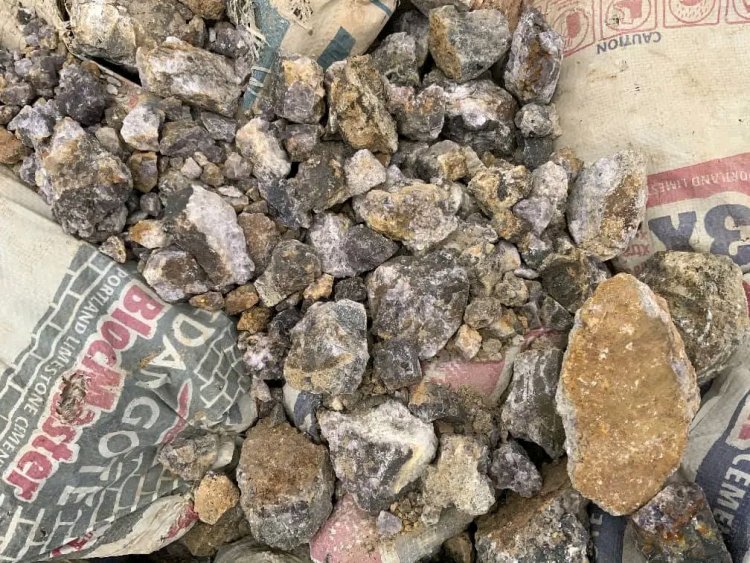
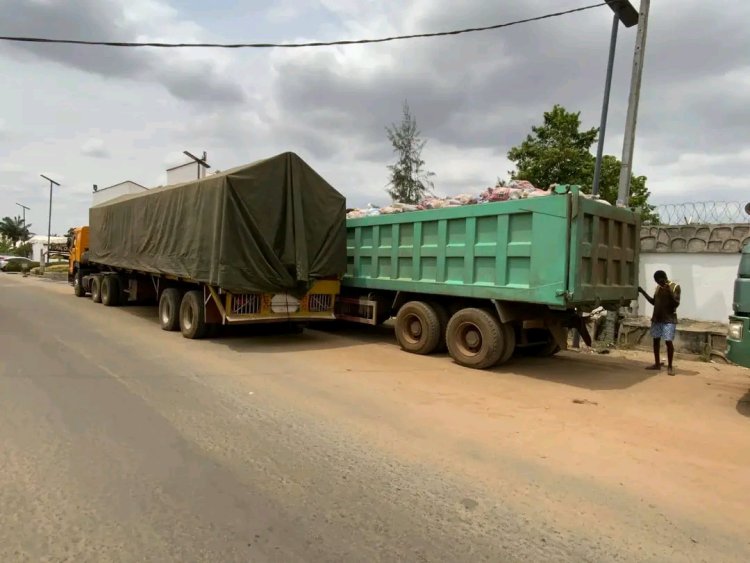
Benue is trading its agricultural promise for a mining boom shrouded in secrecy. As farmers struggle and mining communities face exploitation and environmental destruction, questions about mining operators, revenues and beneficiaries remain unanswered. Under Governor Alia, who truly benefits from Benue’s mineral wealth while agriculture is neglected? The state’s commonwealth must not become the private empire of a privileged few.
By Aondoakaa Tersugh Daniel, 26/10/2026
Something is badly wrong with a government that sits on the best farmland in the country and cannot stop talking about what lies beneath it. Benue is called the Food Basket of the Nation because generations of our farmers earned the title with their hands, not because a publicity team invented it. Under Governor Hyacinth Alia, farming is slipping down the list of priorities while mining has become the government's new darling. I am not asking whether Benue should explore its minerals. I am asking why a government that has not maximised the advantage we already have is so consumed by an industry whose operators, beneficiaries and regulatory arrangements are hidden from the public.
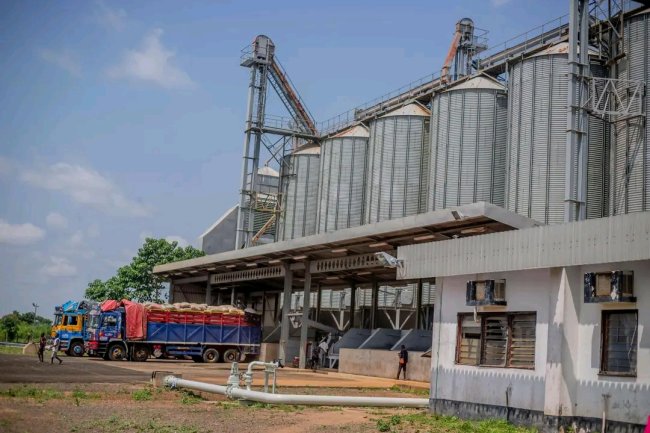
Agriculture is not a discovery waiting to be made. It is Benue's settled advantage and the livelihood of our communities. It remains the most credible route to jobs, food security and industrial growth. We have the land, the climate and the knowledge to build a serious economy on yam, cassava, rice, soybeans, sesame and maize. What we lack is a government that invests in mechanisation, irrigation, storage, rural roads, farm credit, extension services and processing plants. Our farmers still struggle to produce and to sell, while the government looks the other way and admires the prospect of digging up the ground.
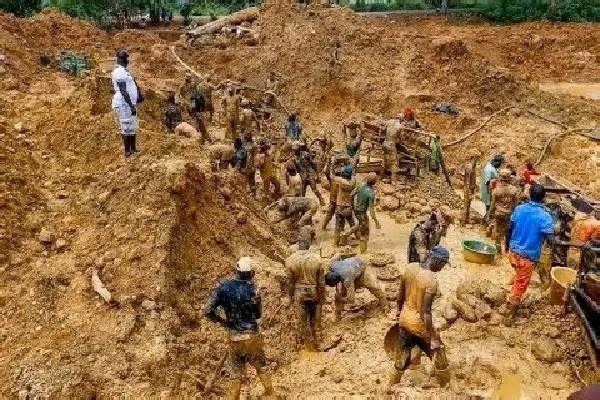
The difference matters. Agriculture lets millions of people take part in creating wealth: farmers, transporters, traders, processors, equipment suppliers and exporters. It puts money in rural households in all three senatorial districts and gives young people a reason to stay. Mining, left without oversight, enriches a small circle of operators and political friends. The host communities are left with ruined land, polluted water, insecurity and nothing to show for it. Without transparency, environmental safeguards and a clear benefit arrangement for communities, extraction becomes an enclave where the wealth leaves and the people stay behind to bear the cost.
So what exactly is the Alia administration's vision for Benue? Is it to turn our agricultural strength into lasting prosperity, or to oversee a mineral rush whose beneficiaries ordinary citizens cannot name? Where are the measurable programmes to expand production, open markets, build agro industrial clusters and bring in investors who will process our produce here at home? We hear endless praise of Benue's agricultural identity, yet there is no sign of the transformation that should come with it.
The mining question goes deeper than misplaced priorities. It is about who owns, controls and benefits from what God placed in our soil. Mining communities have already complained of exploitation, violence, environmental damage and lost livelihoods. A responsible government does not brush such complaints aside because it is excited about mineral discoveries. Every operation must answer to regulators, meet environmental standards, consult host communities and account for its conduct. The owners of the land must not become strangers on it while powerful interests turn their inheritance into private fortunes.
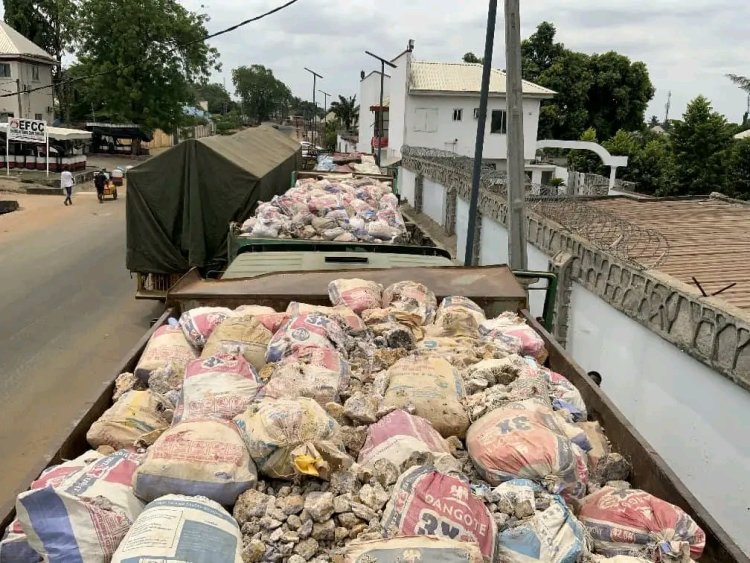
Let the government tell us who the registered miners in Benue are. Which companies hold valid licences, where do they operate, what are they extracting, and what do they owe the host communities? What revenue reaches the state, what royalties are payable, and what protects farmland and water sources from destruction? Who monitors compliance, and what happens when an operator breaks the rules? These are basic questions of public accountability. Citizens who ask them are not troublemakers. They want to know what is happening to their commonwealth.
It is even more disturbing that the Benue State House of Assembly, during the speakership of Aondona Dajoh, reportedly queried the number of registered miners operating in the state. If lawmakers were worried enough to demand the figures, why did the matter not receive sustained public attention? The question appears to have vanished from the legislative agenda under the current House leadership. A legislature that lets the exploitation of our natural resources fade into political oblivion cannot claim to be protecting the people who elected it.
Now the harder questions must be put plainly. Who is benefiting from the emerging mining economy in Benue? Who is selling out our commonwealth, and at what price? Who are the political and commercial collaborators behind an arrangement whose details the public cannot see? I do not say every investor is guilty of wrongdoing. I say no government should expect a people to hand over their natural inheritance on the strength of official assurances. If the arrangements are legitimate, disclose them. If the operators are licensed, publish the register. If host communities are protected, prove it with verifiable safeguards, open revenue records and enforceable standards.
There is also a long term danger the Alia administration cannot afford to ignore. Agriculture needs healthy soil, clean water and a stable rural environment, and unregulated mining destroys all three. Land torn up by excavation, rivers poisoned by mining waste and communities divided over mineral deposits can suffer damage that outlasts the minerals themselves. What becomes of a farming community when its land can no longer grow anything? How will Benue feed itself and keep its place as a leading food producer if the land that sustains that economy is left open to uncontrolled exploitation?
The irony is hard to swallow. We have built our identity on agriculture for decades, yet we have failed to turn it into the industrial and commercial prosperity our people deserve. Instead of making farming productive, profitable and attractive to the younger generation, the government is letting the glamour of mineral wealth overshadow the patient work that agriculture demands. Minerals are finite, and once they are dug up they are gone. Farming, properly managed, pays season after season, feeds families across generations and supports industries that keep creating value.
I am not saying Benue must abandon mining. That would be equally foolish. The state can develop its minerals responsibly, protect the environment and ensure that host communities gain something real. But mining must fit into a clear development strategy. It must not push agriculture aside, and it must not become a convenient vehicle for opaque dealings in public resources. The government owes us an explanation of how mining fits its economic agenda. It must publish what citizens need to scrutinise the industry, strengthen oversight and show that the benefits reach beyond a privileged few.
Governor Alia must understand that the mineral wealth of Benue does not belong to his administration, his political associates or a select group of operators. It belongs to the people and is held in trust for generations yet unborn. The same is true of our fertile land and rivers. No administration has the moral right to neglect one of the state's greatest strengths while pursuing another without accountability.
Benue cannot eat minerals. Our people cannot plant gold, harvest lithium or feed their children on the proceeds of a mining arrangement whose benefits they cannot see. They need a government that makes agriculture work, creates jobs, protects rural livelihoods and manages every natural resource in the public interest. If mining is truly the breakthrough the Alia administration wants us to believe in, then let it open the books, name the operators, account for the revenues, disclose the safeguards and show the communities what they stand to gain. Until it does, the suspicion that our commonwealth is being exploited while our agricultural future is neglected will not go away.
THE FOOD BASKET MUST NOT BECOME A MINING P
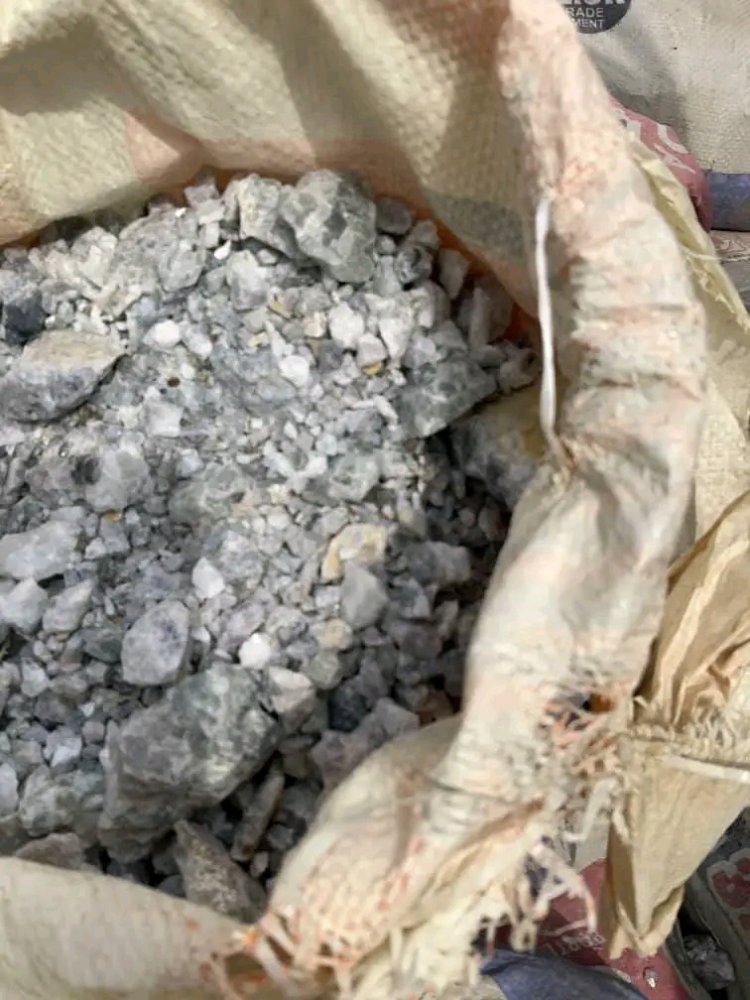
IT FOR THE BENEFIT OF A FEW.