IF ZEVA HAS BEEN SELLING, WHAT STARTS ON NOVEMBER 25?
BIPC's announcement of full commercial production of Zeva Malt, Zeva Premium Beer and BIP Water from November 25 raises important questions about previous sales, local production costs and the promised reduction in beer prices. Beyond celebrating the brewery, Dr. Raymond Asemakaha must account for actual revenue, employment, local farmers' benefits and returns on investment. With Golden Soya Oil's market deadline also shifting from November 9 to December 5, Benue people deserve more than industrial announcements. They deserve measurable results and accountability.
By Aondoakaa Tersugh Daniel, 06/11/2026
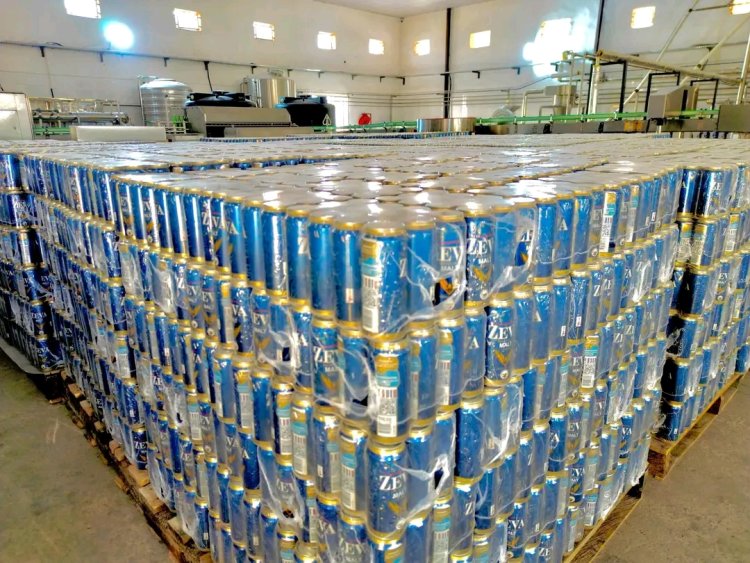
Dr. Raymond Asemakaha, the Group Managing Director of the Benue Investment and Property Company (BIPC), says Food Basket Brewery Limited will begin full commercial production and sales of Zeva Malt, Zeva Premium Beer and BIP Water on November 25, 2026. He calls it a new chapter in Benue's industrial growth and proof of Governor Hyacinth Alia's commitment to industrialisation. Before Benue people join the celebration, the GMD has some explaining to do. What exactly begins on November 25 that was not already happening?
Zeva products have been in circulation for months. Zeva Premium Beer was unveiled in December 2024, and BIPC later announced that it was available for public purchase. The products have featured in promotions for a long time. So what does "full commercial sales" mean? Is it the start of production at the Makurdi factory, a switch from contract manufacturing elsewhere to local production, or just an expansion of existing sales?
Benue people should not be left to guess the difference between test production, commercial production and commercial sales. If earlier supplies were produced outside the state, BIPC should say when that arrangement ended and when production actually began at the Benue factory.
If production has now moved fully to Benue, what happens to the price? This is where the economic case for the brewery is supposed to pay off. Products made elsewhere and trucked into Benue carry contract manufacturing charges, transport and logistics costs. Local production should remove or sharply reduce many of those costs. Benue is also an agricultural state with the capacity to supply some of the raw materials. Consumers are entitled to expect these advantages to show up in what they pay.
The argument is the same one Nigerians make about locally refined petroleum products. I know that exchange rates, energy, packaging and other factors affect prices. Even so, local manufacturing should deliver a measurable advantage. Asemakaha once spoke of crashing beer prices through this project. Has that promise been dropped? If the cost of production has fallen, why should the consumer keep paying the same price? Keeping money in Benue should not mean making Benue consumers pay more than they need to for products made in their own state.
Then there are the farmers. The GMD says that drinking Zeva guarantees offtake for Benue farmers who grow paddy rice, sorghum and cassava. It sounds attractive, but where is the evidence? How many Benue farmers currently supply the brewery? How much produce has BIPC bought from them, and how much has it paid? What share of the brewery's raw materials is sourced locally? The GMD cannot present expected benefits as though they were achievements already delivered. If a dependable market for farmers exists, BIPC should publish the figures. Industrialisation is measured by the economic activity a factory generates, and the number of factories established tells us very little on its own.
The financial questions are just as important. How much revenue has the brewery earned since its products reached the market? What is its monthly operating cost, and is it making a profit? How many people does it employ directly, compared with the projections announced earlier? How much of its installed capacity is actually being used? The brewery was presented as a major state investment with heavy capital spending and ambitious revenue and jobs targets.
Revenue is not profit. Installed capacity is not actual production. Products on supermarket shelves do not prove that an enterprise is commercially successful. If BIPC is confident about the brewery's performance, publishing its operational and financial figures should be no trouble. Benue people deserve to know what their investment is returning.
Now to Golden Soya Oil. In the same announcement, the GMD invited Benue people to taste the product on December 5. What happened to the earlier twenty day ultimatum for the oil to reach the market, which was due to expire on November 9? Why has the timeline moved?
The public was told about the rehabilitation of Taraku Mills, with water and electricity named as the major obstacles. BIPC later reported progress and test production. If the factory has reached the point of producing oil, what stops the product from entering the market within the promised period? A tasting event on December 5 is not commercial availability. Benue people have heard enough about production milestones. They want to know when they can walk into a shop and buy Golden Soya Oil.
The GMD also challenged critics to show the factories they have built before questioning BIPC. That challenge is badly misplaced. Nobody needs to build a brewery or an oil mill before demanding accountability from a government owned investment company. Nobody needs to produce beer before asking why its price has not come down. Nobody needs to own a processing plant before asking how many local farmers are benefiting.
Building and running these factories is the job of BIPC. Demanding results is the right of the people whose resources and economic interests are tied to the company.
Dr. Asemakaha should understand that announcing full commercial production brings a higher duty to show commercial performance. The celebration of Zeva must now give way to verifiable figures. Let BIPC publish the brewery's production records, sales revenue, operating costs, employment numbers, local procurement arrangements and current pricing structure. Let it explain what has changed between the earlier sales of Zeva and the November 25 launch. Let it show how much Benue farmers are earning from the brewery and when Golden Soya Oil will be commercially available.
If Zeva is now fully commercial, the questions must be commercial too. What does it cost to produce? What does it earn? Who benefits? When will the consumer feel the difference? These questions do not come from enemies of industrialisation. They come from people who want industrialisation in Benue to amount to more than announcements, ceremonies and political publicity.











