NASARAWA IS COMPLETING PROJECTS WHILE ALIA IS BUILDING EXCUSES
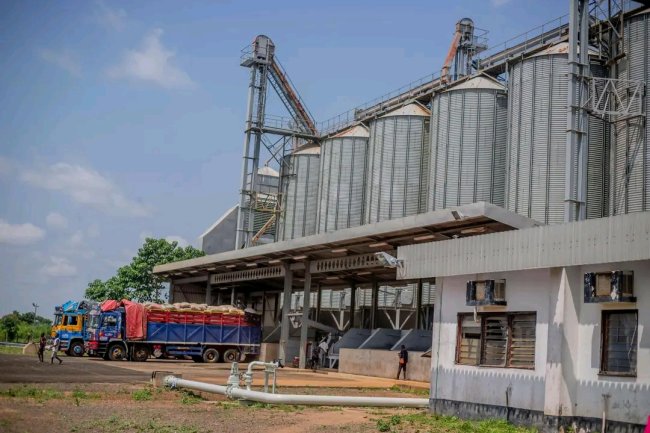
Governor Abdullahi Sule’s completion of Nasarawa State’s abandoned Liaison Office in Kaduna exposes a troubling contrast with Governor Hyacinth Alia’s administration, which has allowed Benue’s Liaison Office in Abuja to remain dilapidated. While Nasarawa has also completed its underpass and flyover projects, Alia’s much-publicised infrastructure projects in Makurdi and Gboko are yet to be officially handed over. The comparison raises serious questions about Alia’s priorities, project delivery and commitment to protecting public assets. Why is Nasarawa completing projects while Benue continues to grapple with unfinished infrastructure and institutional neglect?
By Aondoakaa Tersugh Daniel, 25/10/2026
There is a lesson for Benue in what Governor Abdullahi A. Sule is doing in Nasarawa State, and it is one Governor Hyacinth Alia would rather our people did not learn. Nasarawa is recovering abandoned public assets, finishing infrastructure and preparing facilities for commissioning. Benue is still explaining why its capital projects are unfinished and why its liaison office in Abuja has been left to decay. The difference between the two states is not geography. It is leadership, priorities and the will to turn promises into finished work.
Take the Nasarawa State Liaison Office in Kaduna. It was abandoned and incomplete, and Sule's administration has now completed it and set it for commissioning. That government understood that a liaison office is more than a building. It is the face of the state, a place for official engagements and a public asset that should carry the dignity of th
e government behind it. Sule rescued the project and protected the value of public money already spent.
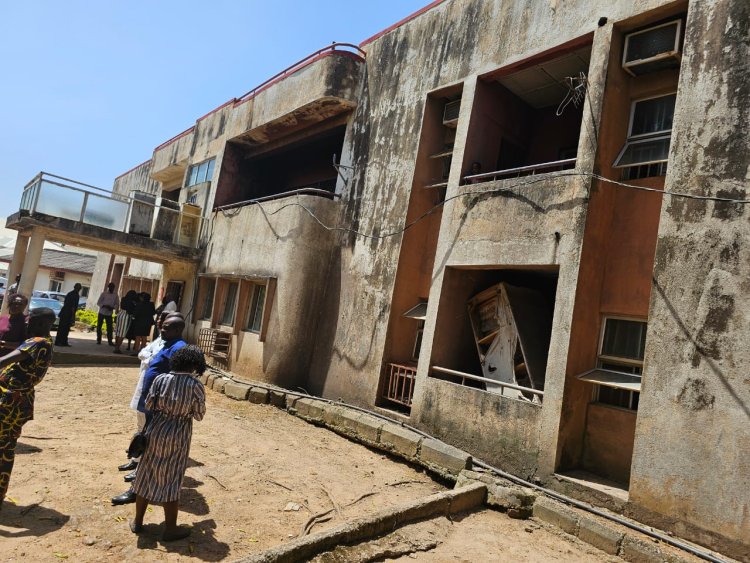
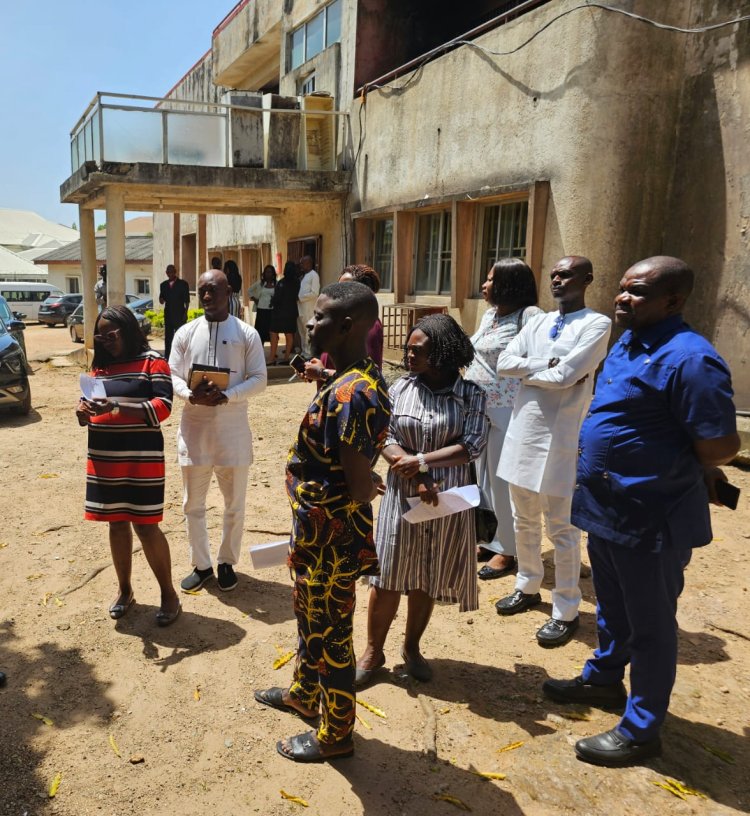
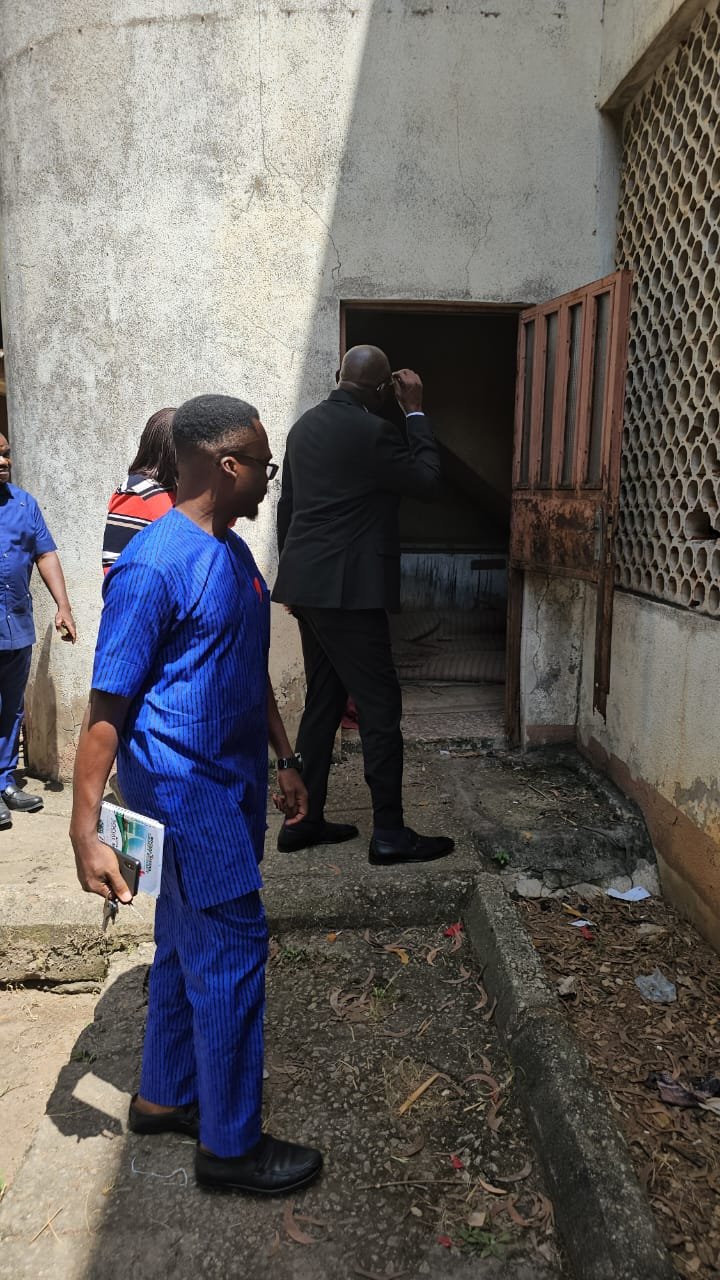
Now look at Benue's Liaison Office in Abuja. Its dilapidated state is a standing embarrassment, and it raises a serious question about how Alia treats the state's assets and its image.
Abuja is where governors meet federal officials, where political deals are struck and where states compete for attention and influence. What does it say about a government when the building meant to represent it in the capital is left to rot? How can an administration talk confidently about development while one of its most visible assets tells a story of neglect?
Alia cannot keep hiding behind announcements, photographs and grand talk of a new Benue. Governance is not measured by the number of press releases or the projects unveiled before cameras. It is measured by what is completed, what is maintained and what the people can actually use.
The comparison gets worse when we turn to infrastructure. Alia's administration publicised the underpass projects in Makurdi and Gboko as interventions that would transform the state. Governor Sule has also embarked on underpass and flyover projects in Nasarawa, and the reported pace of completion there makes the Benue record difficult to defend. Nasarawa's projects have been completed, while Alia's much advertised ones are yet to be officially handed over. This is the same question I have put on the Bauhaus contracts, and it has still not been answered.
If another governor can start major projects and finish them within a comparable period, what is stopping Alia? Why should Benue people keep celebrating announcements when the real test is completion and public use? When will the governor move from unveiling projects to finishing them?
Sule's example rests on a simple principle. Responsible leadership does not leave valuable public assets abandoned when they can be recovered and put to use. Neglect costs money, and it damages institutions.
Alia must explain why the Abuja Liaison Office has been allowed to sink into such a deplorable condition. This is no longer only about a building. It is about whether his administration understands that governing goes beyond roads, flyovers and political campaigns. A state must also maintain its institutions and protect its investments. A government that cannot look after its own representation in the federal capital invites doubts about how it handles the less visible duties of office.
The sad irony is that Alia does not need to invent a new model. The example is right in front of him. The only question is whether he has the political will to follow it, or whether Benue people must keep watching their assets decay while the publicity machine celebrates projects still waiting to be completed.
The Liaison Office belongs to the people of Benue. Every citizen who expects public funds to produce lasting value should be concerned about its condition. Its rehabilitation should not depend on whether it offers applause or a commissioning ceremony. Protecting public property is a basic duty of government.
Sule is preparing to commission a facility that was once abandoned. Alia must confront a dilapidated state facility in Abuja and answer why his celebrated projects have yet to reach official handover.
Benue people deserve answers, not another round of slogans. They deserve completed projects, maintained facilities and a government that knows the dignity of a state is shown not only in what its leaders announce but in what they deliver.
IF NASARAWA CAN RECOVER ITS ABANDONED ASSETS AND COMPLETE ITS INFRASTRUCTURE, WHY SHOULD BENUE SETTLE FOR UNFINISHED PROJECTS AND A DILAPIDATED LIAISON OFFICE IN ABUJA?
That is the question Governor Alia must answer. The longer the contrast stays in public view, the harder it will be to explain away the gap between making promises and delivering results.