THE POLITICAL CONVERGENCE ALIA SHOULD FEAR: AKUME, ORTOM AND AONDOAKAA
The 2027 Benue governorship contest presents a different political equation as former governors Senator George Akume and Chief Samuel Ortom approach the election without personal electoral ambitions. Unlike 2011 and 2019, when Akume had his own senatorial contests to manage, he now has greater room to concentrate on political mobilisation and alliance building. With Ortom equally free from personal electoral distractions, a possible convergence of their political networks could create a formidable force around Chief Michael Kaase Aondoakaa SAN. This commentary challenges Alia's supporters to look beyond previous electoral outcomes and recognise why the emerging political alignment could make Aondoakaa a serious beneficiary of the 2027 political calculations.
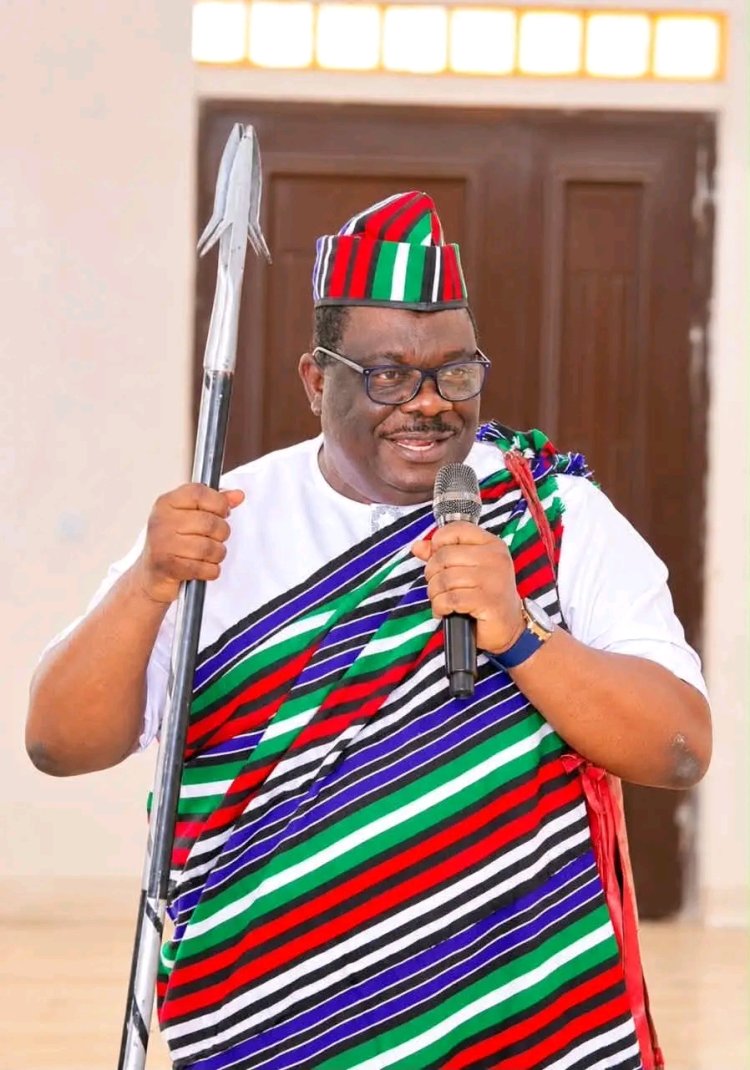
By Aondoakaa Tersugh Daniel, 14/11/2026
Chief Engr. Barnabas Gemade has boasted that the people who know how to deliver a second term for an incumbent governor are still around. The message was meant to comfort Governor Hyacinth Alia that the experience and strategy for his re-election are within reach. Some Alia supporters have gone further and mocked Senator George Akume, claiming he has never stopped a sitting governor from winning a second term.
That excitement rests on a shallow reading of history. They remember the results of past elections and ignore the circumstances that produced them, as well as the new configuration ahead of 2027.
In 2011, Akume was fighting for his own second term in the Senate. In 2019, he was again in a senatorial contest of his own. A personal election consumes money, mobilisation, negotiations and attention. No politician whose own seat is on the line can give the same focus to the fate of another man's ambition. Anyone who uses those two outcomes as a permanent measure of Akume's influence is confusing political history with political circumstance.
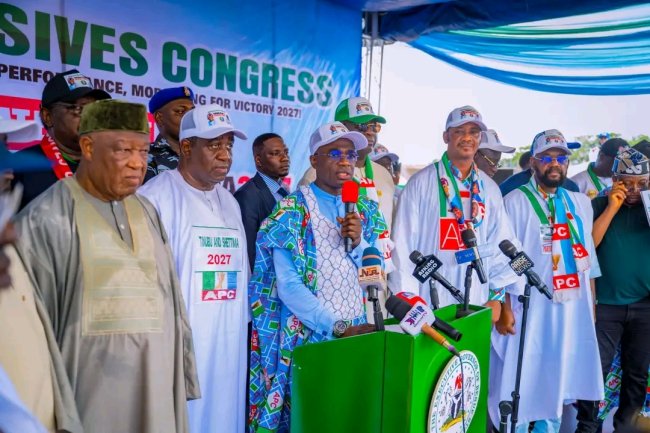
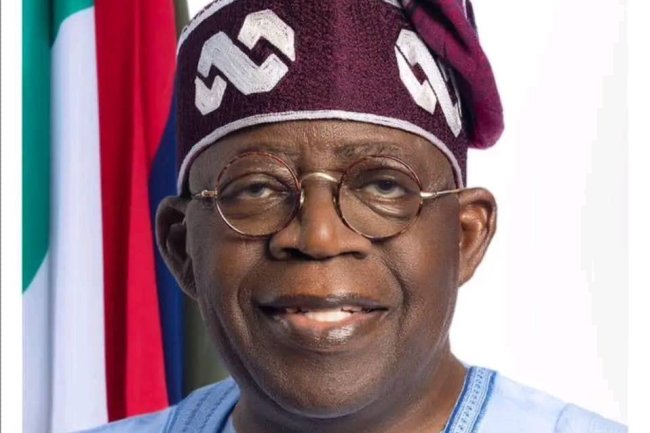
2027 is a different equation. Akume has no seat to defend and no governorship ambition to pursue. His assignment within the Tinubu political establishment is to help secure another term for President Bola Tinubu. With no personal ballot to protect, he is free to concentrate on mobilisation, alliance management and consolidating interests within his network. Alia is unlucky to be seeking a second term in a cycle where one of the most consequential figures in Benue has no election of his own to distract him.
This is where the emerging alignment around Chief Michael Kaase Aondoakaa SAN becomes significant. Aondoakaa does not need Akume on a campaign platform for the effects of Akume's influence to show. The loyalists and the APC bloc that identify with Akume's leadership are a major constituency in this contest, and what they decide to do could shape the governorship election. A leader's influence is often seen in how his loyalists behave, which structures answer to him and which realignments form around his interests. Alia's supporters would be making a grave mistake to dismiss the chance of Aondoakaa benefiting from that bloc simply because past elections suit their argument.
There is another dimension. Chief Samuel Ortom, leader of the PDP in Benue, is also not contesting any position in 2027. Like Akume, he has no seat to defend and no ambition competing for his attention. We may be looking at two former governors, each with his own network, loyalists and experience of running the state, entering this election without the burden of a personal contest.
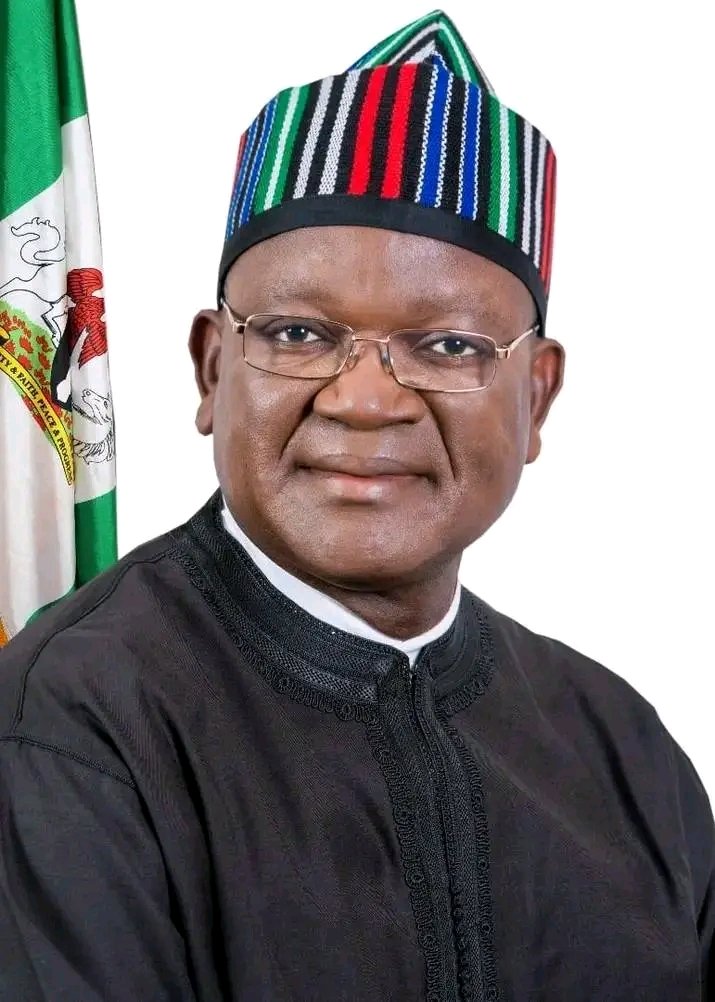
Consider what happens if their forces converge around a common project. Their histories, interests and parties differ, but a shared objective can still produce a formidable coalition. If the Akume backed APC bloc and the Ortom led PDP structure find common ground around Aondoakaa's candidacy, Alia will face an alignment that cannot be wished away by reciting old results. The real question is whether Alia and his supporters have grasped what that could mean.
Gemade may well have the experience he claims, and there is nothing wrong in boasting about an understanding of how elections are won. But political craftsmanship is not magic. It depends on the mood of the electorate, the strength of rival alliances and the ability of the opposition to organise. Past victories are not a guarantee of future ones, and the conditions that favoured a candidate in one election can become the very conditions that hurt him in the next. Gemade and his colleagues should ask whether the circumstances around Alia's second term bid are really as favourable as they imagine. Listing experienced politicians and announcing that the re-election machinery is ready is not enough, because the other side also has structures, relationships and resources.
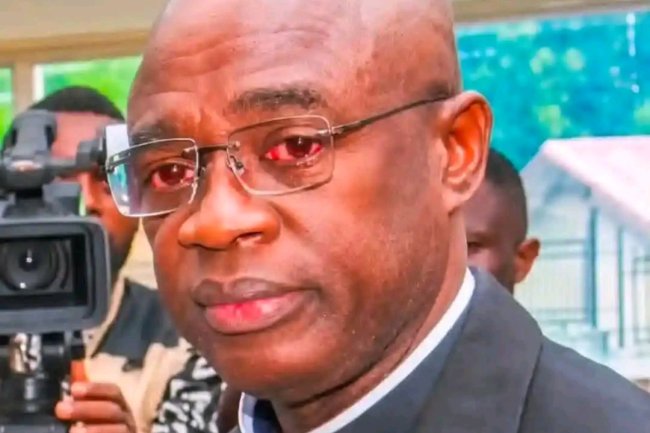
More importantly, Aondoakaa is not Steve Ugbah, and he is not Emmanuel Jime. Those who reduce the 2027 contest to a repeat of earlier opposition defeats are suffering from political amnesia. Yes, previous candidates failed to take Government House, Makurdi. But elections are decided by the alliances and circumstances of their time. Aondoakaa is a former Attorney General of the Federation and Minister of Justice and a Senior Advocate of Nigeria, with a different profile, different relationships and the prospect of a different coalition. That Ugbah and Jime did not become governor does not make it a law that Aondoakaa cannot. Those treating yesterday's outcomes as an unbreakable tradition may be in for a rude awakening.
Alia's difficulty is that he is heading into a second term election in a more complicated environment. He cannot lean on the confidence of his associates or on men who claim to have perfected the art of returning incumbents. He must reckon with a possible coordinated opposition, shifting dispositions within his own party and new alliances that could change the arithmetic in Benue.
The combined influence of Akume and Ortom, if directed at one project, is a possibility he cannot afford to underrate. The Akume factor cannot be dismissed through mockery. The Ortom factor cannot be ignored because his base sits in another party, since political interests often cross party lines when the goal is a particular result.
Alia's supporters may keep celebrating the past, but 2027 is not 2011 and it is not 2019. Akume has no personal ballot to protect. Ortom has none either. And Aondoakaa is not entering this contest under the circumstances that defeated his predecessors. The Governor may have gathered his own craftsmen of electoral victory, but there is another workshop whose capacity they must reckon with.
This contest will not be won by the loudest boast or the longest list of associates. It will be won by whoever assembles the more consequential alliance, mobilises the more effective structures and turns relationships into votes. If the forces around Akume and Ortom converge around Aondoakaa, the result could be far greater than anything Alia's craftsmen are now calculating. Chief Michael Kaase Aondoakaa SAN is well positioned to benefit from that convergence and, ultimately, to replace Hyacinth Alia at Government House, Makurdi.