THE CONTRADICTIONS IN ALIA'S INDUSTRIAL REVIVAL AGENDA
By Aondoakaa Tersugh Daniel, 22/10/2026
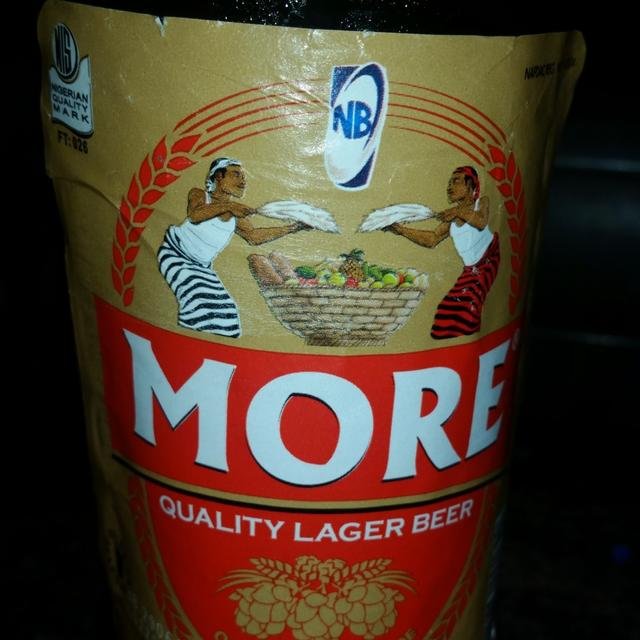
Governor Hyacinth Alia is reviving Taraku Mills, an industrial legacy of the Aper Aku administration. Yet he is building a brand new brewery instead of restoring Benue Brewery, the birthplace of the once celebrated More Lager Beer. If Aper Aku's industrial vision is worth preserving at Taraku, why does the brewery he established not deserve the same urgency? Benue people are owed an explanation.
The story of that brewery cannot be told honestly without looking at the Gabriel Suswam years. The Alia administration loves to fault previous governments, but Suswam was governor when the brewery changed hands, and his administration must answer for the terms of that deal.
In August 2011, Consolidated Breweries acquired an 85 per cent equity stake in Benue Brewery Limited, as part of a wider transaction involving Sona Systems and its associated businesses. In 2013, Consolidated Breweries also acquired the More Lager Beer brand from the Benue State Government. It later merged with Nigerian Breweries in December 2014, and More Lager Beer joined the enlarged company's portfolio. These were separate transactions, and each deserves public scrutiny.
So what did Benue receive for its stake in the brewery and for the More brand? What valuation was used, and what conditions were attached? Was there any enforceable commitment to keep production running, protect jobs and sustain industrial activity in Makurdi? Benue people want answers backed by transaction records, not political rhetoric.
The same scrutiny should extend to the sale of the state's interest in Dangote Cement. No government can claim to protect the public interest if it cannot account for what it sold, what it received and what lasting value the state kept.
There is also an uncomfortable question for the Alia camp. Suswam is regarded as an ally of the governor. Does that friendship explain why his industrial transactions attract less scrutiny than those of other former governments? Benue's industrial history cannot be examined according to political alliances, and every administration that disposed of public assets must account for its decisions.
Now to what Alia himself has done about the original brewery. In May 2024, the state government reportedly gave Nigerian Breweries 90 days to resume operations at the facility. That raised hopes that Benue was ready to reclaim an important industrial asset. But an ultimatum is not rehabilitation, and an announcement is not production.
What happened when the deadline passed? Were negotiations concluded, or a rehabilitation proposal submitted? Did the government consider buying back the facility, negotiating a production agreement or bringing in another investor for the existing site? Nobody has told the public.
Instead, the administration moved ahead with a separate brewing venture under the Benue Investment and Property Company. The result is Food Basket Brewery and its ZEVA Premium Lager Beer brand. A new brewery may create jobs and revenue, but that does not settle what became of the old one. The government must explain why a new plant was chosen and publish the economic assessment behind the decision.
Where is the comparative feasibility study? How much would it have cost to rehabilitate the old brewery, and how much has gone into the new one? What was the condition of the original plant's machinery, buildings, utilities and capacity? Did the government even sit down with Nigerian Breweries over the Makurdi facility? Without these details, nobody can judge whether building anew was better than restoring what already existed.
The water supply for ZEVA adds to the doubts. The Managing Director of BIPC, Dr. Raymond Asemakaha Jr., has announced a test run of a water treatment facility meant to serve the brewery and other commercial operations. Water treatment is essential to brewing, so its presence alone is no proof of poor planning. The real issue is whether the treatment plant, pipelines, pumping infrastructure, energy needs and running costs were part of the original feasibility study and site selection.
If they were, the government should publish the technical and financial details. If extra spending became necessary because the early planning fell short, the public should know how much and why. There is also talk of an AI generated master plan for the brewery's water system, which reportedly shows the brewery sitting along the riverbank when it actually stands away from it. Who prepared that document, who approved it and who checked its technical assumptions? Industrial infrastructure must rest on verified physical conditions and professional engineering assessments.
The bigger question remains unanswered. Could the money spent on ZEVA have restored More Lager Beer and rehabilitated the original brewery? Would the old plant have needed complete replacement of its machinery, or could modernisation have made it commercially viable? Does the new facility really offer better efficiency and lower costs? The age of the old plant and the existence of the new one prove nothing without documented evidence.
The Alia administration must therefore account for the unresolved fate of the old brewery and for the economic case behind the new one. The Suswam administration must account for the transactions that passed Benue's interests in the brewery and More Lager Beer into private corporate hands. Benue cannot keep living with a history in which public assets are sold without satisfactory explanations, and later governments build new ventures without admitting what alternatives they weighed.
Governor Alia should publish his government's assessment of the original brewery, the outcome of its talks with Nigerian Breweries, the options considered for restoring production and the comparative costs of rehabilitation and new construction. Suswam should disclose the terms of the brewery and brand transactions and what the state gained from them. These are matters of public accountability, and they should not be dismissed as partisan attacks.
Aper Aku built an industrial legacy. Under Suswam, ownership of that legacy changed hands. Nigerian Breweries later inherited the business through corporate consolidation, and the original facility eventually stopped normal production. Alia has now chosen to build a separate brewery. Every stage raises its own questions, and no administration should escape scrutiny for what it did on its watch.
Benue needs more than fresh industrial announcements. It needs transparent management of assets, sustainable production, local jobs and measurable returns. If the original brewery could not be saved, the government should show the evidence. If ZEVA offered better value, it should disclose the figures. And if the state has truly exhausted its options for bringing back More Lager Beer, it should say what those options were and why they failed.
The question is simple. What happened to More Lager Beer, who bears responsibility for the loss of Benue's original brewery as a working industrial asset, and what real effort has been made to restore production at the old site? Until those answers come, the contrast between reviving Taraku Mills and building ZEVA will remain a fair subject of public scrutiny.