ALIA'S BUREAU OF SPECIAL PROJECTS: A MONITORING OFFICE TURNED CONTRACT EMPIRE?
Governor Hyacinth Alia’s Bureau of Special Projects and Infrastructure faces pressing questions over its legal foundation, overlapping responsibilities and procurement powers. With approximately ₦28.04 billion allocated for capital expenditure in the 2026 proposed budget, the public deserves to know which contracts the bureau has awarded, how much has been spent, and what projects have been completed. Was the bureau created to monitor projects or to become another contracting institution? Governor Alia must provide answers and demonstrate measurable results.
By Aondoakaa Tersugh Daniel, 26/10/2026
When Governor Hyacinth Iormem Alia took office in 2023, the idea of a Directorate of Special Projects in the Governor's Office was simple. It was meant to monitor strategic projects, expose bottlenecks and push for completion within his first term. It was never meant to award contracts.
The arrangement was administrative. A senior civil servant would run the directorate, while the governor chaired the Special Projects Implementation Committee. The purpose was to sharpen oversight of the existing ministries, not to build a rival contracting machine beside them.
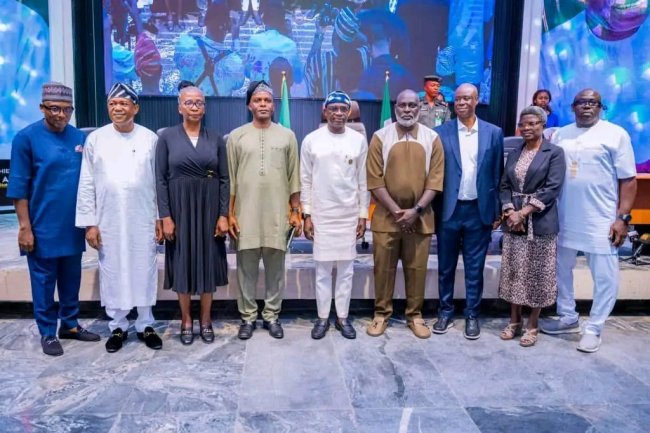
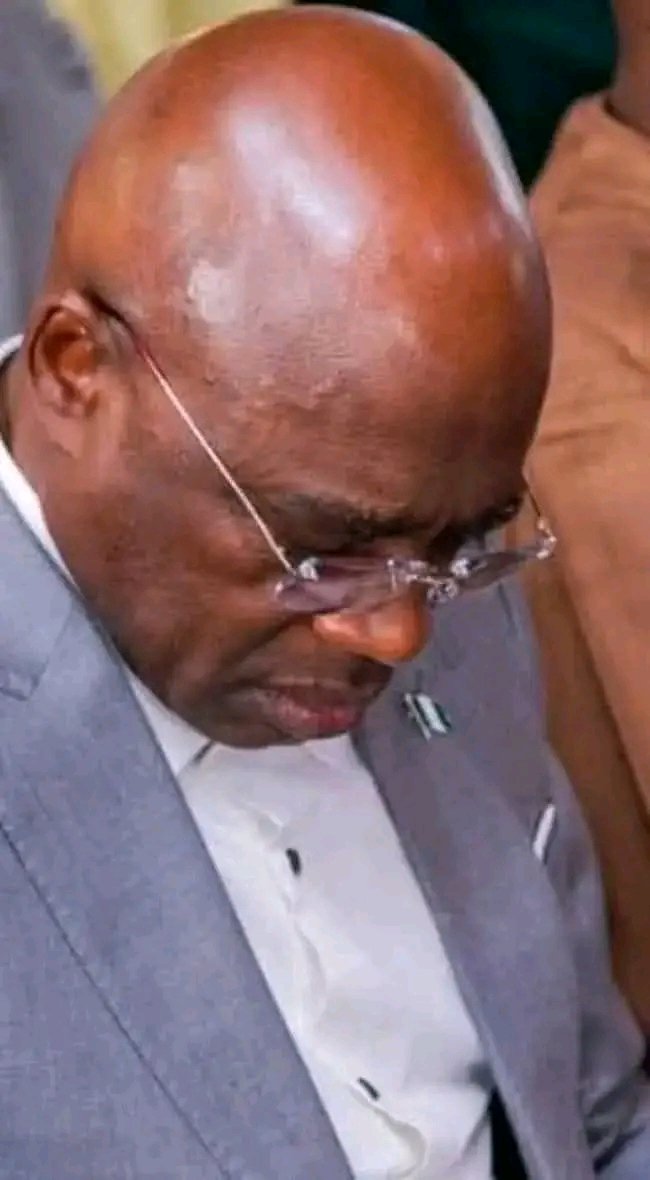
Today that modest office has been turned into the Bureau of Special Projects and Infrastructure, headed by Engr. Prof. Gabriel Akpen, and it now handles procurement. Who approved this, and on what legal footing? How does a monitoring unit end up as a procuring entity?
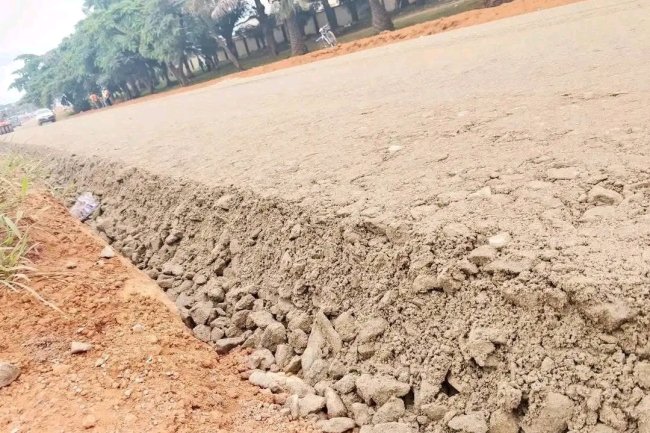
Benue already has a Ministry of Works and other ministries with defined sectors. If Works is responsible for roads, why is a parallel body procuring road projects? What stops the bureau from duplicating the functions of other ministries and weakening their accountability? The people of Benue are owed answers, not silence.
The legal question is just as serious. In the public documents I reviewed, I could not find any easily identifiable instrument establishing the bureau. That does not prove none exists. But if it does exist, why has it not been published, together with the authority under which the bureau exercises procurement powers?
Then there is the money. The 2026 proposed budget provides about ₦28.04 billion in capital expenditure for this bureau. Which contracts has it awarded, and to which companies? At what cost, through what procurement process, and how much has already been paid out? Which projects are actually completed? These are not acts of political persecution. They are basic questions any government spending public funds must be ready to answer.
If the administration insists the bureau is more efficient, then it should prove it. How many delayed projects has it revived? How much public money has it saved? What has it delivered that the ministries could not have delivered with proper funding and supervision?
Without credible answers, this bureau is simply another expensive layer of government, overlapping established institutions and blurring responsibility. Governor Alia must explain why it was necessary, publish its legal foundation and show that its procurement complies with the state's public procurement framework.
Benue does not need a monitoring office that grows more powerful than the purpose for which it was created. The bureau must justify its existence by performance, not by the size of its budget or the concentration of authority in the office of its Director General. The people of Benue are watching, and they want to know whether it has accelerated development or merely expanded the channel through which public contracts are awarded. A government that creates new institutions must account for what they deliver, and Governor Alia cannot dodge that responsibility.