GANDUJE CELEBRATES COURT JUDGMENT. WHAT HAPPENED TO THE COURT ORDER IN BENUE?
Ganduje's celebration of the court judgment recognising Rochas Okorocha as APC's Imo West senatorial candidate raises questions about his own record in Benue. As APC National Chairman, he proceeded with the dissolution of Austin Agada's state executive despite a court order restraining the move. The subsequent High Court and Court of Appeal decisions went against the caretaker arrangement his leadership had installed. The commentary examines this apparent double standard and challenges Governor Hyacinth Alia to recognise that incumbency offers no political insurance against judicial setbacks, internal party divisions or electoral opposition ahead of 2027.
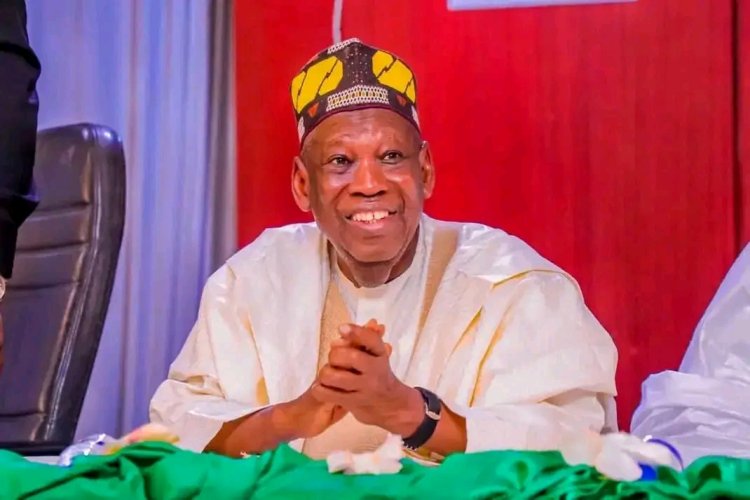
By Aondoakaa Tersugh Daniel, 30/10/2026
Former APC National Chairman Abdullahi Umar Ganduje was reportedly excited by the Federal High Court judgment recognising Rochas Okorocha as the APC candidate for Imo West. He visited Okorocha to celebrate what he called a deserved victory and vindication. It is interesting to see Ganduje celebrating the authority of the judiciary. But his enthusiasm raises an uncomfortable question. Where was that respect for court decisions when he presided over the APC crisis in Benue?
On August 21, 2024, a Benue State High Court restrained the Ganduje led APC National Working Committee from removing the Austin Agada led State Working Committee. The order was clear. The existing executive was to remain in office until the substantive matter was determined. Yet that same evening, Ganduje's NWC dissolved the Agada executive and inaugurated a caretaker committee headed by Benjamin Omale. Agada then began contempt proceedings over the alleged disobedience of the order.
This was more than a quarrel over who controls the APC structure in Benue. The party's national leadership had been specifically restrained by a court, and it went ahead with the very action the court had prohibited. The consequences were serious. That intervention deepened the division between the camps of Governor Hyacinth Alia and Senator George Akume.
The courts did not vindicate Ganduje afterwards. In November 2024, the Makurdi High Court nullified the dissolution of Agada's executive and set aside the caretaker committee. On June 3, 2026, the Court of Appeal dismissed the APC's appeal, affirmed that judgment and upheld the declaration that the activities of the Omale caretaker committee were null and void.
So when Ganduje celebrates a court judgment in Imo today, Benue is entitled to ask what changed. Is the authority of the judiciary worth celebrating only when it favours his preferred position? Why was a court order in Benue treated so differently? How do we explain the double standard? These questions arise from his own documented record. Allegations of financial inducement would need evidence, and I make none. But the gap between his conduct then and his celebration now is already hard to ignore.
Governor Alia cannot distance himself from the consequences of that episode. His camp was linked to the rival faction that benefited from the caretaker arrangement, and his relationship with the Akume camp remains at the heart of the wider dispute. The Court of Appeal's decision also makes it difficult to dismiss the Agada group's position as a mere factional argument. The courts have spoken on this specific dispute.
Alia should also learn from what is happening in Imo. Governor Hope Uzodimma's incumbency did not stop a court judgment from disrupting his senatorial ambition. Why should Alia treat his occupancy of the Benue Government House as political insurance? Incumbency does not grant immunity from judicial scrutiny, political opposition or the fallout of unresolved party disputes.
Benue politics is not shielded from these lessons. Court decisions must be respected when they favour one camp and when they inconvenience another. Ganduje cannot celebrate judicial authority in Imo while escaping questions about his conduct in Benue. And Alia cannot pretend that the crisis around his camp has no bearing on the political and governance climate of the state.