WHERE ARE THE FUNDS PROMISED TO BENUE'S POOR WOMEN?
More than three years after Governor Hyacinth Alia promised financial support for poor women across Benue State, questions remain about the fate of the empowerment initiative. Following reports that thousands of women's groups registered for the programme, concerns persist over whether the intended beneficiaries have received the promised assistance. As 2027 approaches, Benue women deserve answers, accountability and evidence of delivery, not another round of political promises.
By Aondoakaa Tersugh Daniel, 26/10/2026
On 29 May 2023, Governor Hyacinth Alia stood before the people of Benue State and promised to bring relief to the very poor through soft credit facilities for women in all the council wards of the state. The promise was plain. Women struggling at the grassroots would receive financial support to improve their livelihoods. More than three years into his administration, one question refuses to go away: WHERE ARE THE FUNDS PROMISED TO BENUE'S POOR WOMEN?
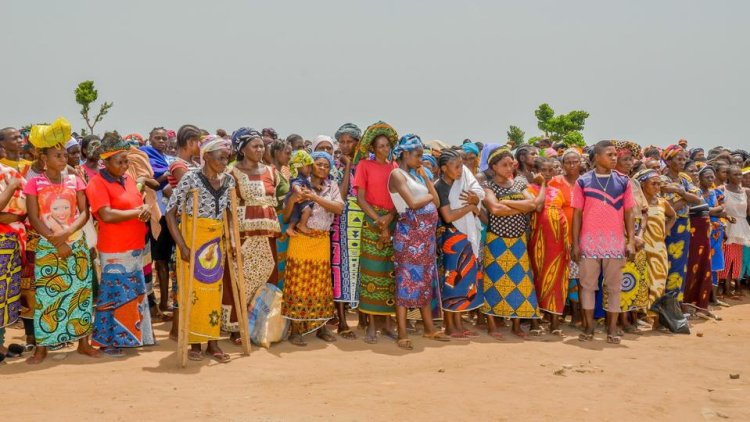
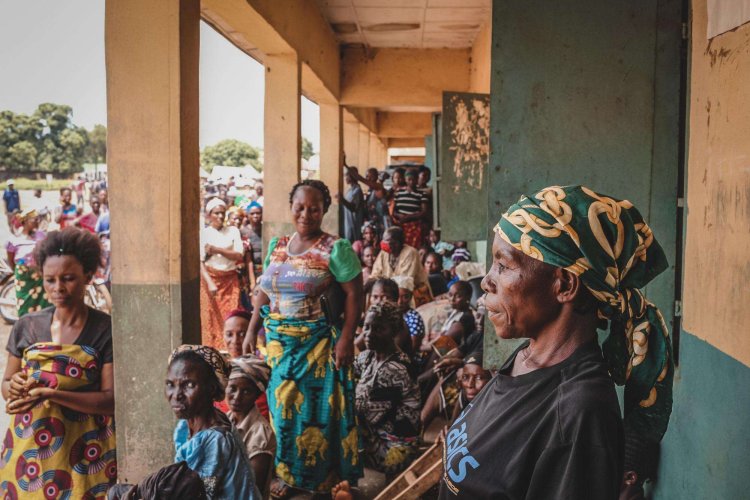
Shortly after taking office, the administration reportedly directed the Ministry of Rural Development and Cooperatives to register and train organised women's groups across the state in preparation for the empowerment scheme. Thousands of women reportedly came forward. They believed the exercise was the door to the help their governor had promised them.
What became of that promise? Women who gave their time and their money to the registration exercise are still asking for the assistance they were made to expect. There are reports that participating groups paid registration fees and never received the support that followed those fees. That raises serious questions about the real purpose of the exercise and about the government's commitment to the people it claimed to be helping.
For a rural woman trying to feed her family, run a small business, tend her farm and send her children to school, an empowerment programme is no publicity project. It is a lifeline. These women did not need another speech on fighting poverty. They needed practical help that would change something in their lives. To register them, train them and leave them waiting without end is to turn their hope into frustration.
The questions are simple. What happened to the women's empowerment initiative the governor announced? How many of the registered women have received any financial assistance? What became of the registration exercise conducted by the Ministry of Rural Development and Cooperatives? What has this administration done to turn its inaugural promise into real benefit for the women it pledged to help?
Governor Alia cannot keep invoking the suffering of the poor to justify government programmes while the intended beneficiaries ask what happened to the help promised them. An administration that makes a public commitment must be ready to account for how it was carried out. The women of Benue deserve more than registration forms, training sessions and assurances. They deserve to know what happened to the promised support and when they will receive it.
As the 2027 governorship election draws near, this is one matter Benue women should not be asked to forget. Campaign season will bring fresh promises, new slogans and renewed declarations of concern for the vulnerable. But what value can these women place on a new promise when the last one is still unexplained? Before the administration asks for another mandate, it must account for the one it already holds.
Governor Alia owes these women answers. They have heard enough speeches and enough promises. What they are owed now is an honest account and proof that the financial empowerment he announced has reached the women of Benue State.