TWO DEFEATS WAITING FOR ALIA IN 2027: THE AONDOAKAA FACTOR AND THE APC'S LEGAL TIME BOMB
Could the court judgment invalidating the David Mark-led ADC leadership and the process that produced Atiku Abubakar's presidential candidacy be a warning to Governor Hyacinth Alia ahead of 2027? With the legitimacy of the Benue APC leadership and its nomination processes still attracting questions, Alia may have legal and political battles to contend with. Meanwhile, Chief Michael Kaase Aondoakaa, SAN, is emerging as a significant opposition figure, with national political experience and growing connections across political divides. The convergence of internal APC disputes and an increasingly organised opposition raises serious questions about the Governor's 2027 re-election project.
By Aondoakaa Tersugh Daniel, 05/11/2026
Today's judgment of the Federal High Court in Abuja has shaken the ground under Nigeria's 2027 elections. The court invalidated the leadership of the African Democratic Congress (ADC) led by David Mark and nullified its actions, including the process that produced former Vice President Atiku Abubakar as the party's presidential candidate. Atiku now has to answer for the leadership structure under which he was nominated. For Benue, the more urgent question is this: how different is the process that produced Governor Hyacinth Alia as the APC governorship candidate?
The lesson of the ADC judgment is plain. A politician can have crowds, a running mate and an active campaign, and still stand on a nomination that a court may later strip away. Political support does not settle the legality of a process. The ADC may appeal, but the damage is already done, because an electoral project built on a disputed party structure has been exposed for what it is. The Benue APC cannot pretend this does not concern it.
The APC in Benue has been caught in this controversy for months. The State Executive Committee led by Augustine Agada won in court, and the Court of Appeal affirmed its legitimacy. That outcome upset the calculations of those who wanted to control the party structure. Parallel arrangements followed, and the National Working Committee went on to recognise candidates from one of them. Administrative recognition is not the same as judicial determination.
So which structure had the legitimate authority to conduct the party's processes? Which officials had the constitutional power to supervise them? Were the APC constitution and the electoral laws followed? A published list of candidates does not answer any of these questions.
Some will point to the suit filed by Engr. Sesugh Kaaba against the APC and INEC. The Federal High Court struck it out because the plaintiff lacked locus standi. That was a ruling on who could bring the case. The court did not examine whether the disputed substitutions were lawful, so the decision is no endorsement of what the APC did with its Benue candidates. The party escaped one lawsuit on a procedural ground, but the controversy over the primaries and the recognition of candidates is still standing.
Alia's camp should not be comfortable. The governor must manage the fallout of a divided party while preparing for an election in which his own nomination process may end up in court. I am not saying his candidacy is invalid, since only a court can decide that on the specific issues. But his supporters would be foolish to assume that recognition from the national leadership has buried every legal challenge.
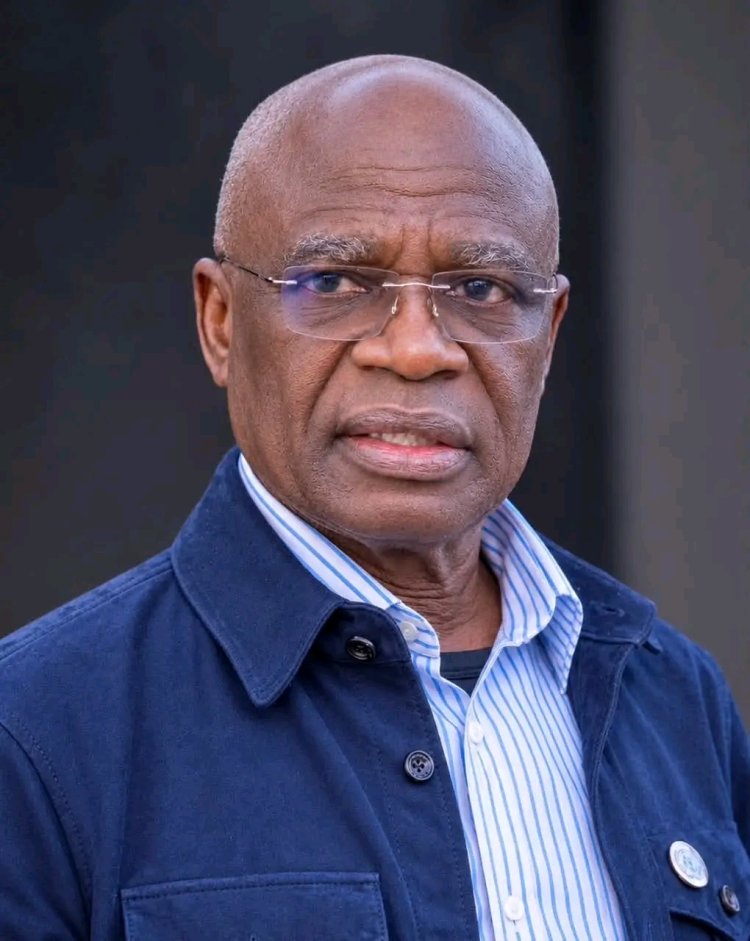
Beyond the courtroom, Alia faces a political problem with a name: Chief Michael Kaase Aondoakaa, SAN, the governorship candidate of the Peoples Democratic Party. His emergence has changed the opposition conversation in Benue. He is a former Attorney General of the Federation and Minister of Justice, with decades of national political experience and legal practice behind him. He also emerged through a consensus involving other governorship aspirants, which means the PDP can pull its resources behind one candidate instead of spending them fighting itself.
His reach also goes beyond the traditional PDP base. He is linked to political interests around Senator George Akume and Minister Nyesom Wike, and he is well placed to attract aggrieved APC stakeholders. The cracks in the ruling party are an opening, and Aondoakaa is positioned to use them. Those who feel pushed aside by the current arrangements now have a platform to pursue their interests. In an election, influential figures decide how well a party mobilises, how strong its grassroots organisation is and how wide its coalition becomes. Alia has appointees and loyalists who will gladly campaign for his reelection, but can the APC bring its different tendencies together behind one candidate?
Here lies the irony. Alia needs a united APC, yet the party's quarrels keep raising doubts about its leadership and its candidate selection. He would prefer a fragmented opposition, yet the PDP now has a recognised candidate around whom different interests can gather. He needs an uncontested nomination so that he can focus on campaigning, yet the legal questions hanging over the APC's internal arrangements cannot be settled by campaign rallies. The governor is fighting on two fronts at once, against a formidable opponent and against his own party's unresolved disputes.
The ADC judgment should therefore make the Benue APC stop and think. A party cannot assume that its internal disagreements are harmless because one faction has won recognition or pressed ahead with preparations. Where questions of compliance with the party constitution and the law arise, the courts can be called upon to decide, and Atiku's predicament shows what that can mean. Whether Alia's nomination carries comparable vulnerabilities deserves serious scrutiny, given the existing controversies and the earlier judicial decisions on the Benue APC structure.
The 2027 contest is therefore taking shape along two lines. Aondoakaa represents the political challenge, with his experience, his alliances and his ability to draw in disaffected interests. The APC represents the institutional challenge, with unresolved questions about its structures and about how its candidates emerged. A campaign council cannot repair a disputed party structure, and endorsements cannot replace compliance with electoral law.
Alia's ambition must be judged on more than the activities of his campaign council and the declarations of his appointees. What matters is whether the APC is cohesive, whether its nomination processes are legitimate and whether the opposition can rally behind one candidate. The ADC judgment has brought the cost of disputed party leadership into national focus. Benue's political actors should not imagine that their own party structures are beyond the same scrutiny.