BENUE'S ARMAGEDDON 2027: THE BATTLE FOR POLITICAL SUPREMACY
Benue's 2027 election is shaping up as a battle for political supremacy between two competing power centres within the APC: Governor Hyacinth Alia's re-election camp and the political network associated with SGF George Akume. Following Barnabas Gemade's declaration about the craftsmen of gubernatorial re-election, the coming election will test competing claims of political influence, independence and organisational strength. The question is no longer who can make the loudest political declaration, but whose influence can withstand the ultimate test of 2027.
By Aondoakaa Tersugh Daniel, 10/11/2026
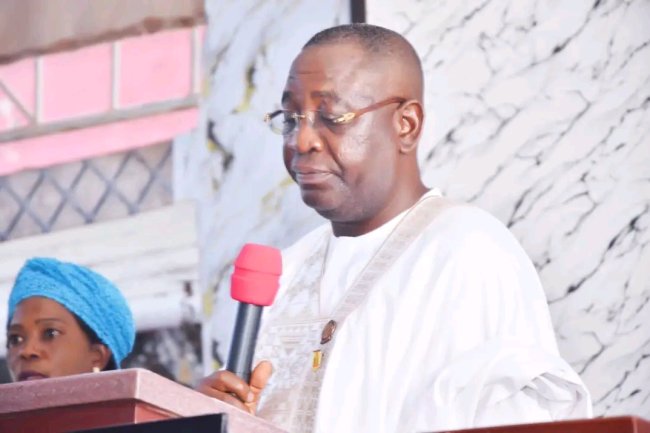
Benue is heading into a political confrontation that may reshape the state for years. What happened at the inauguration of the Tinubu/Alia 2027 Campaign Council on November 5 can no longer be passed off as an ordinary disagreement among APC leaders. Two political centres now compete for influence, and each claims the authority to decide the direction of the party in Benue. In the middle of it, Chief Barnabas Gemade has effectively turned 2027 into a test of his own boast.
At the inauguration, Gemade declared that "those who have the craftsmanship of making sure that governors are re-elected are still alive and they are here." That was no casual campaign line. It presented the men at the inauguration as the architects of Alia's second term. A claim of that kind invites scrutiny, and 2027 will supply it. Do these craftsmen command real influence in their own right, or is their relevance borrowed from their closeness to a sitting governor?
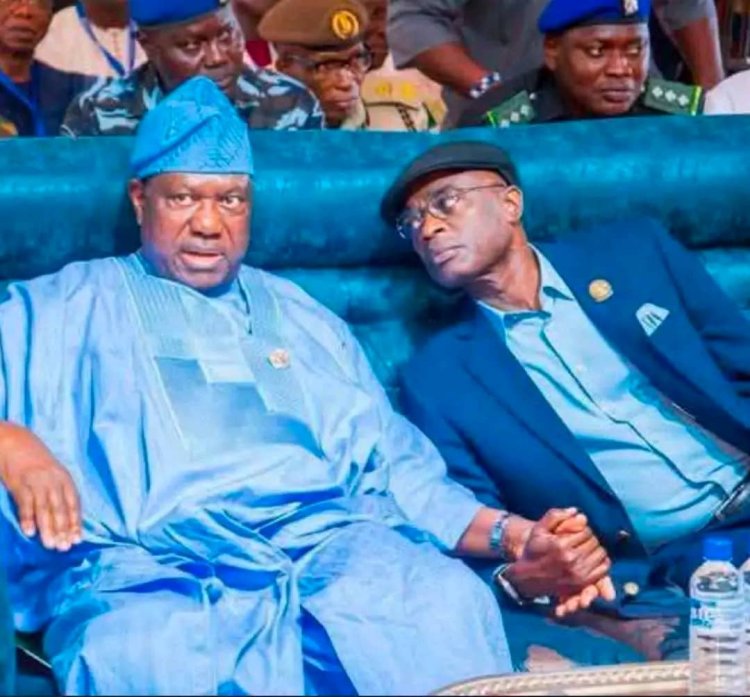
The question matters because the other centre is far from small. Around Senator George Akume stands a network of serving senators, members of the House of Representatives, state legislators, former senators, former ministers, federal appointees and political blocs spread across the state. The absence of Akume and several prominent stakeholders from the inauguration shows how deep the rift runs. This is a contest over authority, consultation and the future of the APC in Benue, and speeches or appeals for loyalty will not settle it.
That is also why the claim by some in Alia's camp that they secured Akume's appointment as Secretary to the Government of the Federation deserves a hard look. The SGF office is a presidential prerogative. It is not a trophy that a governor's campaign team can hang on its wall. What verifiable role did Alia and his associates play, who took the decision, and on what basis?
Akume had a political history and federal relationships long before Alia became governor. Wanting him to remain as SGF is a different matter from needing Alia back in Government House. Those who deliberately merge the two questions should be told plainly that they are separate, and that one does not depend on the other.
Contradictions on both sides sharpen the picture. Many who now present themselves as indispensable to Alia's second term built their careers on structures and influence linked to Akume. Their new alignment raises fair questions about loyalty and about the circumstances in which alliances are made. Akume and his associates must show that their influence does not hang on the goodwill of an incumbent, while Alia must show that Government House can be turned into an organised and united political structure. A crowd of dignitaries at an inauguration proves neither.
Gabriel Suswam and Gemade face their own test. Their electoral records, alliances and present ambitions will be weighed against the value they claim to bring to the Alia project. Suswam's position is further complicated by the intervention of the APC National Appeal Committee in the party's primaries. It is fair to ask how his personal ambitions sit alongside the governor's reelection campaign, and appearances at campaign functions will not answer that.
Then there is the repeated call for maturity from Alia's camp. Maturity is not silence from opponents, and it is not a demand that everyone surrender their interests to an incumbent's ambition. It shows in consultation, in respect for established stakeholders and in the readiness to accommodate legitimate disagreement. A governor seeking a second term cannot expect his authority to cancel the right of others to question his leadership. The same restraint binds the other camp, because competition may be fierce but it must remain peaceful and be settled through democratic processes.
This is why 2027 is taking the shape of Benue's political Armageddon. It will test Gemade's craftsmanship, Alia's political machinery, Akume's established influence and the independent relevance of every actor who has picked a side. It will show whether an incumbent can consolidate authority beyond the advantages of office, and whether an established network can keep its strength despite a quarrel with the sitting administration. The outcome will decide the balance of power within Benue APC for a long time.
One point must stay clear. Those who want Akume to continue as SGF do not need Alia's return to achieve it, and those who back Alia must be ready to defend his record and prove the strength of their structure. The two ambitions are not politically or constitutionally inseparable, and the effort to present them as one is itself an argument that 2027 will put to the test.
The gloves may be off, yet the ballot remains the final instrument of judgment. The craftsmen have announced themselves and the other centre has stated its position. Benue is watching, and 2027 will demand answers that inauguration speeches cannot give.