WHEN DID YELWATA BECOME SACRED TO GOVERNOR ALIA?
When did Yelwata become sacred to Governor Alia? A government conspicuously absent from the memorial commemoration, unable to demonstrate lasting solutions for displaced victims and previously embroiled in controversy over its rejection of the genocide classification cannot suddenly claim moral authority over the tragedy. Before lecturing the opposition about politicising Yelwata, Alia must account for the security warnings received, the lives lost and the plight of survivors. Is Yelwata sacred to Alia, or has its sacredness become politically convenient ahead of 2027?
By Aondoakaa Tersugh Daniel, 10/11/2026
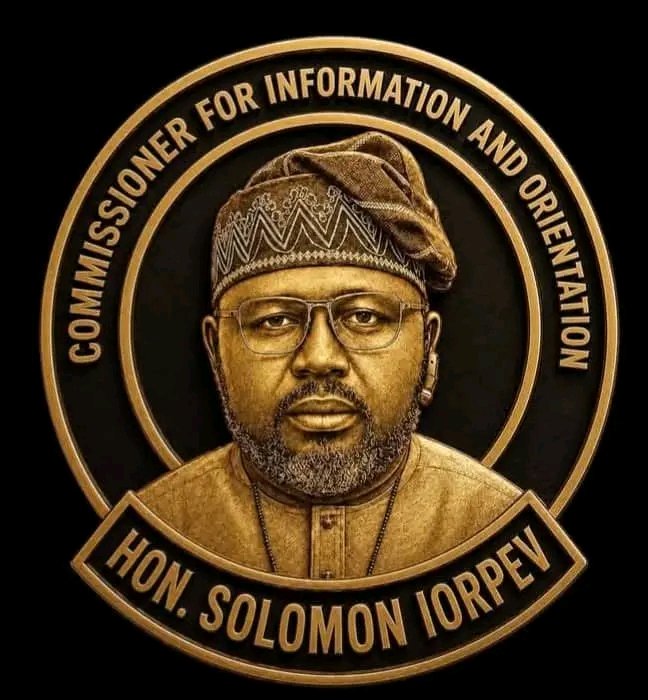
The Commissioner for Information, Hon. Solomon Iorpev, says the memory of Yelwata is sacred and that nobody should turn the grief of its victims into a political stage. He was responding to the NDC governorship candidate, Prof. Terhemba Shija, who alleged that the government is planning to disrupt Peter Obi's visit to Benue. The statement raises a question the Commissioner did not anticipate: when did Yelwata become sacred to Governor Hyacinth Alia? Is it the same government that showed such indifference to the victims that has suddenly become the custodian of their memory, only because another party is bringing Peter Obi to Benue?
Sacredness is not established by press statements. It is shown through compassion, responsibility and accountability. When the anniversary of the massacre was commemorated and a memorial statue was unveiled in honour of the victims, where was the government? A government that was conspicuously absent from that occasion cannot now claim passion for the memory of the dead because the opposition is involved. It is more concerned about who speaks on Yelwata than about how the victims are remembered and what has been done for the survivors.
Consider also the case of Alex Bibir, whose intervention was aimed at establishing settlements for victims displaced by the attacks. Instead of encouraging that effort, the government presided over circumstances that ended with his departure from Benue and from Nigeria. What happened to the intervention? What became of the proposed settlements? How many displaced families have been permanently resettled? A government that truly holds Yelwata sacred would be supporting lasting solutions, not lecturing visitors about their intentions.
The Governor's own record on the killings deepens the contradiction. In November 2025, he publicly rejected the description of the violence in Benue as genocide, although he later clarified that he was not denying the killings. That position stirred considerable controversy among those who believed the scale and pattern of the attacks demanded a more forceful national and international response. How can a government that resisted that classification now ask the people of Benue to accept its moral authority on Yelwata? The victims did not become more deserving of sympathy because 2027 is approaching. They deserved recognition from the first day.
Then there is the matter of intelligence. On June 15, 2025, Governor Alia acknowledged that Governor Abdullahi Sule of Nasarawa State had shared information with him about the attackers and the security situation. What did the Benue State Government do with that information? What preventive measures were activated? Were vulnerable communities placed on alert? Were the security agencies properly mobilised? These are legitimate questions of governance and not an attempt to politicise the dead. If warnings were received, the duty was to act before lives were lost, not to discover the sacredness of those lives after their deaths.
The Commissioner also suggests that Peter Obi's visit is an opportunity for the opposition to manufacture sympathy. That misses the point. A presidential candidate who visits a community devastated by violence, meets survivors and identifies with displaced families is not exploiting anyone by that act alone. Leaders owe it to the people whose votes they seek to engage with their realities. If the government believes Yelwata deserves national attention, why is it uncomfortable with a presidential candidate visiting? Does the tragedy become less sacred when an opposition politician acknowledges it? Or does the government fear that such a visit will expose the gap between its public statements and what the victims actually live with?
It is disturbing to see a government behave as though it decides when the people of Benue may speak about their suffering and who may stand with them. Yelwata does not belong to Governor Alia, the APC or the Benue State Government. Its memory belongs to the victims, their families and a people still living with the consequences of insecurity. Nobody should exploit that suffering, and equally, nobody should invoke the memory of the victims to silence legitimate questions about government performance.
Governor Alia cannot build compassion retroactively through his Commissioner's press statements. The people of Benue are not asking for another expression of sympathy. They want to see what has been done to secure communities, restore displaced families, support survivors, pursue justice and prevent another Yelwata. If Yelwata is truly sacred to the Governor, let his record show it in how he protects the living and honours the dead. Until then, the question stands: was Yelwata always sacred to Governor Alia, or has its sacredness become politically convenient because 2027 is approaching?