BENUE 2027: WHAT BENUE STANDS TO GAIN FROM A SENIOR ADVOCATE AS GOVERNOR
What can Benue gain from having a Senior Advocate of Nigeria as governor? Drawing lessons from Lagos under Babatunde Fashola SAN and Ondo under Rotimi Akeredolu SAN, Aondoakaa Tersugh Daniel examines how Chief Michael Kaase Aondoakaa SAN could apply his legal and administrative experience to address insecurity, strengthen institutions, enforce existing laws and accelerate development in Benue State ahead of the 2027 governorship election.
By Aondoakaa Tersugh Daniel, 20/10/2026
Nigeria has already seen what happens when a Senior Advocate of Nigeria takes charge of a state. Lagos under Babatunde Raji Fashola SAN and Ondo under the late Oluwarotimi Akeredolu SAN are the two cases worth studying as Benue prepares for 2027. Both men carried into office professional standing, institutional knowledge and a trained legal mind, and both put those assets to work in governing.
Fashola ruled Lagos from 2007 to 2015. His years in office are remembered for the Bus Rapid Transit system, road rehabilitation, urban renewal, environmental management and healthcare and housing initiatives. Lagos was choking on congestion, and his government responded with structure rather than slogans. Law was not the only explanation for that record, but the discipline of planning, coordination and follow through was part of what he brought to the job.
Akeredolu's story is more instructive for Benue because it speaks to security. He became governor in 2017 after a long legal career that included serving as President of the Nigerian Bar Association. His government pursued roads, education, healthcare and agricultural value addition, and the industrial hub at Ore was meant to draw manufacturing investment. But his lasting contribution was his part in the creation of Amotekun. As chairman of the South West Governors' Forum, he was one of the leading voices behind the Western Nigeria Security Network, which the six governors launched in January 2020. When the initiative drew objections, he defended it and built its operational framework in Ondo. Amotekun was a collective effort, not the work of one governor, but his leadership was central. It showed that legal knowledge, political coordination and institutional leadership can produce a regional answer to insecurity.
Benue needs that kind of answer. For years our communities have suffered attacks, displacement, destroyed farms and shattered livelihoods. The Open Grazing Prohibition and Ranches Establishment Law of 2017 was meant to confront a central part of the crisis, yet the state government itself has admitted difficulty in implementing it. That gap between a law on paper and a law enforced is exactly where a governor with legal training can make a difference.
A governor must do more than express outrage or issue statements after each attack. The office demands the ability to frame lawful policy, coordinate the agencies responsible for implementation, engage the Federal Government and security agencies, and keep up pressure until results appear. A serious administration would improve intelligence gathering, strengthen coordination among security agencies, support lawful community security arrangements, build early warning systems and fix clear responsibility for failures. Amotekun is worth studying. The goal is simple: farmers protected, displaced families able to return to their homes and land, and confidence restored in a government that has too often failed at its most basic duty.
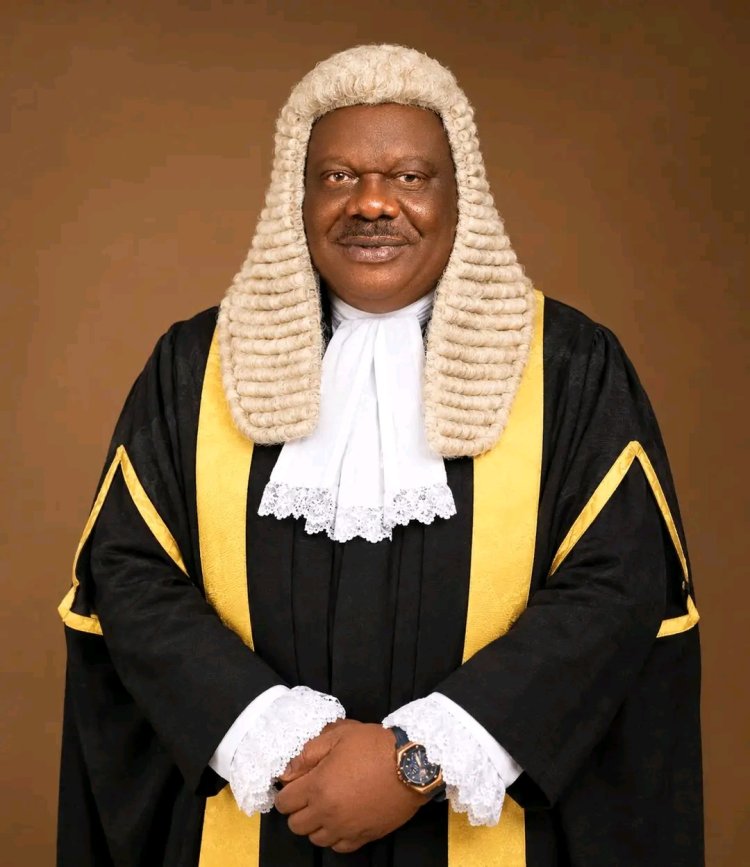
This is where Chief Michael Kaase Aondoakaa SAN enters the 2027 conversation. As a Senior Advocate and a former Attorney General of the Federation, he has the kind of background that speaks to these legal and institutional questions. The case for his candidacy should rest on the practical use of that experience: how he would strengthen the rule of law, deepen institutional accountability, advance security coordination and make sure laws meant to protect Benue people do not remain declarations of good intentions. Whether he delivers will depend on the policies, institutions, personnel and resources his administration puts in place, and he should be judged on exactly that.
Security is not the whole story. Benue also needs a government that treats policy as serious work rather than an improvised reaction to pressure. Fashola's Lagos shows the value of identifying structural problems, setting priorities and sticking with programmes over time. Transport reform did not happen through speeches. It took planning, investment and implementation. Our challenges in agriculture, rural roads, education, healthcare, industrialisation and jobs demand the same seriousness. A candidate with Aondoakaa's background could help build a government that puts policy research, legal scrutiny, measurable targets and public accountability at the centre of decisions.
There is an institutional lesson too. Public office is bound by constitutional limits, statutory duties and the need for working relationships among the executive, legislature, judiciary and civil service. A lawyer who has served at senior levels of government may bring useful familiarity with how these institutions work. That can mean fewer avoidable legal disputes, better executive decisions and greater respect for due process. For a state where insecurity and development pressures call for sustained coordination, this matters.
Not every lawyer makes a good governor, and professional qualifications alone guarantee nothing. Chief Gabriel Suswam, himself a lawyer, is a reminder of that. Fashola and Akeredolu matter because their records give concrete examples of what can be attempted when professional knowledge meets executive responsibility. Benue deserves the same commitment to purposeful planning, lawful administration and results people can see in their own lives.
As 2027 approaches, the real question is what a candidate's experience will produce: safer communities, firmer enforcement of lawful policy, better public services, improved infrastructure and a government that can explain its decisions and answer for its results. Our people have paid a heavy price for insecurity and uneven development. Those expectations are not abstract, and they are the standard by which the next administration should be judged.