ALIA'S GIANT FOOTPRINTS: A NEBUCHADNEZZAR MOMENT IN BENUE?
Governor Hyacinth Alia’s boast that he is deliberately creating giant footprints no successor can fill has raised questions about political arrogance, historical recognition, and the legacy he hopes to leave behind. While invoking the biblical image of Nebuchadnezzar’s pride, the commentary challenges Alia’s reported omission of Senator George Akume’s administration from his list of governments that made meaningful contributions to Benue State. It also questions why Akume’s acknowledged role in opening up Makurdi was absent from the governor’s account. As 2027 approaches, the central question is whether Alia’s celebrated giant footprints will represent lasting achievements or become political landmines for his successor.
By Aondoakaa Tersugh Daniel, 28/10/2026
Usually, successors honour their predecessors by acknowledging that they are stepping into big shoes, recognising the legacies left behind by those who came before them. Such acknowledgements do not mean that successors cannot break new ground or surpass the achievements of their predecessors. However, it is rare to hear a leader approaching the end of his tenure boast that he is leaving behind giant footprints that nobody who succeeds him will be able to fill. Such a declaration amounts to an extraordinary display of arrogance.
Governor Alia has shown a penchant for using religious gatherings to make statements that are entirely uncalled for, some of which could be interpreted as outright blasphemy. One cannot help recalling the words of the prophet Daniel concerning the abomination of desolation standing in the holy place (Daniel 11:31; 12:11), and wondering whether the unfolding events in Benue bear any resemblance to that biblical warning.
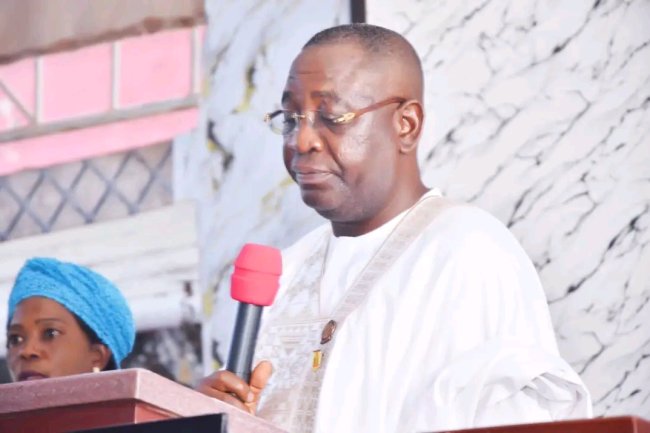
It was in a church that Alia reportedly called Professor Joseph Alakali, his former Secretary to the State Government, a thief. It was also in a church that he reportedly dismissed the power of the altar to protect him, declaring, without mincing words, that if he had relied on the altar, he would by then have been nowhere to be found. Coming from someone who was formerly a priest, that statement raises serious questions about his relationship with the faith he once professed and could be interpreted by some as both apostasy and blasphemy. It was, yet again, in a church setting that Governor Alia's political associate, Chief Gabriel Suswam, reportedly declared that a governor was more powerful than God on earth. On another occasion, Alia reportedly described certain individuals as "Mbatsav" (wizards) during a church event. Just this Sunday, during a thanksgiving service, Alia stood boastfully in a church and announced that he was deliberately creating giant footprints that would be impossible for anyone succeeding him to fill.
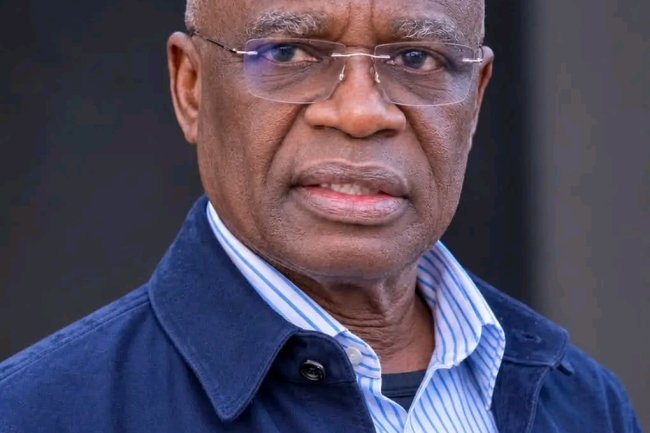
Although this latest declaration evokes the biblical account of Nebuchadnezzar's pride and self-glorification over Babylon, which ultimately led to his humiliation and separation from other men, that is not my immediate concern. With Alia's tenure approaching its end in 2027, the more pressing issue is his apparent disregard for Senator George Akume, even when he does not mention his name directly.
Alia reportedly stated emphatically that only the administrations of Chief Gabriel Suswam, the late Chief Aper Aku, and the late Reverend Father Moses Adasu had done anything worthwhile for the people of Benue State. He identified these administrations as his reference points, effectively suggesting that they were the only ones that had made meaningful contributions to the state. But between the administration of Adasu and that of Suswam was the eight-year administration of Senator George Akume. Where does Akume's administration fit into this historical assessment?
The Chief Press Secretary to the Governor, Mr Tersoo Kula, who was reportedly standing beside Alia, could have reminded him of his own previous assessment of Akume's administration as one that opened up Makurdi. Kula had, years after Akume left office, acknowledged this contribution. Why, then, did he not whisper into the governor's ear and remind him of how Akume opened up Makurdi?
I will not take the time to list all of Akume's achievements as governor of Benue State. The facts are available for anyone willing to examine the historical record with an open mind and a clear conscience. Even the administration of Chief Samuel Ortom, in all honesty, made contributions to Makurdi that no fair-minded person should find difficult to acknowledge.
The major concern, however, is that, by Alia's own assessment, the legacies he claims to be leaving behind may turn out to be landmines for whoever succeeds him in 2027. If a governor deliberately sets out to create footprints that nobody can fill, should his successor interpret that as a challenge to surpass his achievements or as an attempt to make governance unnecessarily difficult for the next administration?
My concern, therefore, is whether Daniel's prophecy was about Alia, or whether we are witnessing a replay of Nebuchadnezzar's episode of pride and self-glorification in Benue State. If that is the case, neither Akume nor Ortom should be blamed.